Volume Loss

What is Volume Loss?
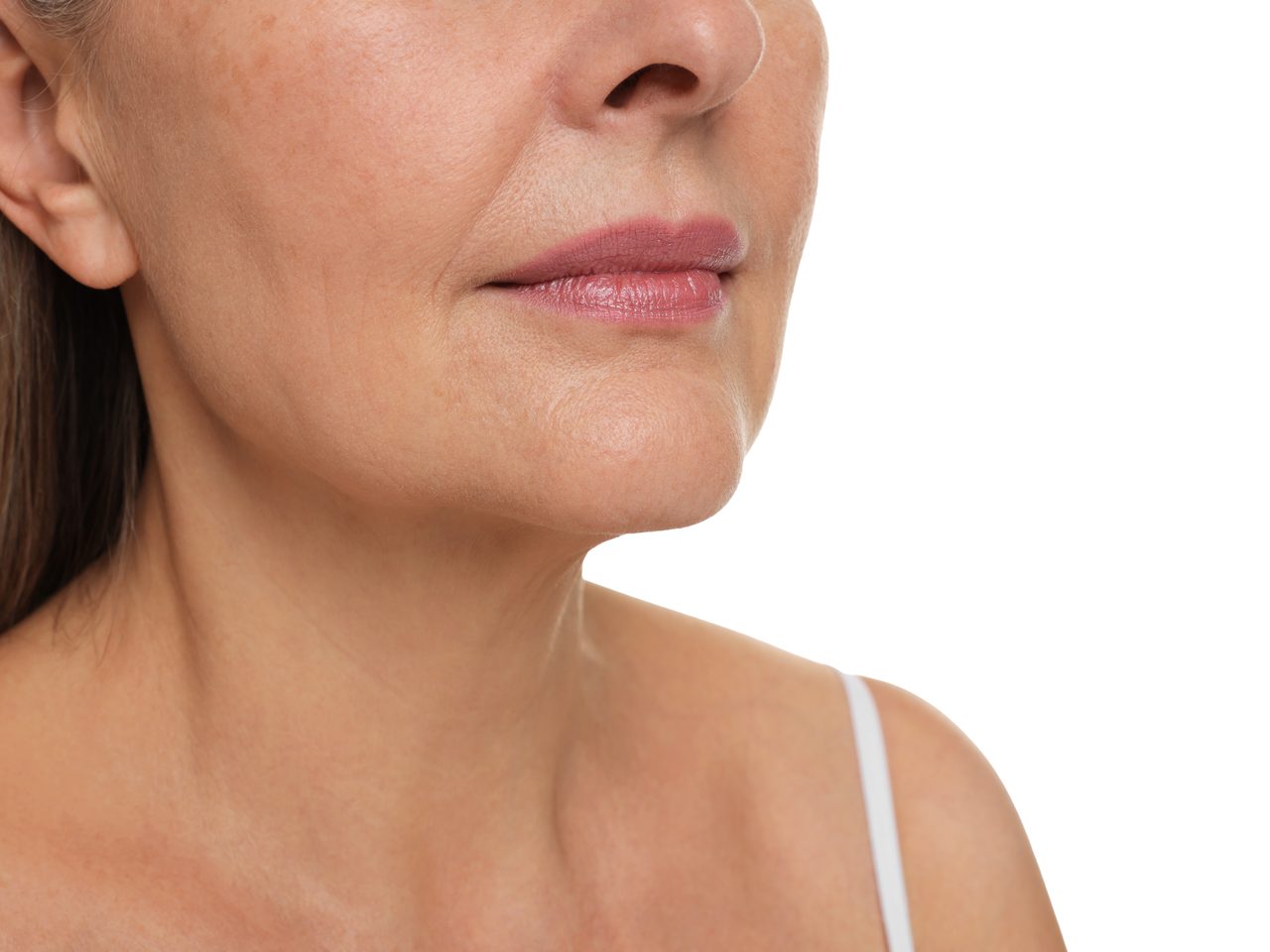
Volume loss is the gradual thinning of the fat, collagen and bone that give the face its shape. It tends to show area by area rather than all at once: cheeks that look flatter, temples that hollow, shadows under the eyes, a forehead that loses its curve, and lips that look thinner or less defined.
Many people notice it as looking tired or older than they feel, even when their skin is in good condition. Treatment can help restore support where it has been lost and soften the hollows that follow.
What Causes Volume Loss
The face loses support from underneath, in its fat pads, its bone and the skin's own collagen, and each area thins at its own pace. Volume Loss can come from a range of factors, including:
- Ageing: Facial fat pads shrink and shift, and collagen and elastin production slows. Changes can begin in the late twenties or early thirties.
- Bone changes: Facial bone slowly resorbs over the years, particularly around the eye sockets and along the jaw, so the frame under the soft tissue recedes.
- Sun exposure: Ultraviolet light wears down the collagen that keeps skin plump.
- Weight loss: A rapid or large drop in weight can alter the fat that sits in the face.
- Lifestyle: Smoking, a poor diet and long-term stress may weaken skin quality and fullness.
- Genetics: Family history can bring hollowing on earlier or more strongly, including at the temples of younger faces.
Treatments for Volume Loss at ARTÉ
Volume is lost in different places at different speeds, so the plan follows the area first and the product second. A consultation with Dr. Michelle comes first, mapping where support has thinned. The treatments below run from fillers by area, top of the face downwards, to options that rebuild support more broadly.
Dermal Fillers
Dermal fillers are injectable gels, mostly made from hyaluronic acid, that stand in for volume that has thinned. Because volume goes area by area, they are placed area by area, with a different approach for the cheeks, temples, under-eyes and lips. The change shows right after treatment.
Forehead Fillers
As fat and bone support fade, a forehead can turn flat, dented or uneven. Forehead fillers lay a soft hyaluronic acid gel in a thin, even layer near the bone to rebuild a gentle curve. A review visit follows, where small refinements can be made if advised.
Temple Fillers
Hollow temples leave a dip at the side of the upper face and can make it look gaunt, with age or in a younger face. Temple fillers set hyaluronic acid gel deep in the hollow to restore a smooth curve. Placement is mapped with care, as the area is anatomically complex.
Under-Eye Fillers
The tear trough, running from the lower lid into the cheek, tends to lose volume early. Under-eye fillers refill the hollow with a hyaluronic acid or collagen-based gel, easing the shadow it casts. They suit structural hollowing, and Dr. Michelle will tell you if a different option fits better.
Collagen Undereye Filler
Collagen Undereye Filler is a collagen-based injectable made to mimic human collagen, aiming to restore softness, brightness and fullness beneath the eyes. It suits hollowness, tear troughs and shadowing linked to volume loss. Results show at once and can improve further as new collagen builds over the following weeks.
Cheek Fillers
The mid-face often flattens first. Cheek fillers set a firmer hyaluronic acid gel over the cheekbone to restore support and the cheek's natural curve. As that curve returns, laugh lines can look softer and the shading below the eyes can lift.
Lip Fillers
With age lips thin and lose their outline. Lip fillers can gently restore volume, refine the border and improve symmetry, scaled to your other features. That keeps the lips in step with any work done on the cheeks or around the mouth.
PLLA Biostimulator
PLLA Biostimulator restores volume gradually. Poly-L-lactic acid particles cue the skin to make collagen of its own, so treated areas fill out over months, not at once. It is used for the temples, cheeks and lower face, usually as a course, and can be paired with fillers.
CaHa Biostimulator
CaHa Biostimulator pairs an immediate lift with longer-term collagen support. Calcium hydroxylapatite microspheres carried in a gel add volume and definition to the cheeks, chin and jawline, and the skin is prompted to produce collagen over the months after. It suits natural contouring without excess volume.
PCL Biostimulator
PCL Biostimulator uses polycaprolactone to give structure now and collagen support later. Volume and contour appear first, then collagen slowly builds around the treated points. It can go in the cheeks, temples, chin, jawline or laugh lines, and suits people wanting correction and better skin quality together.
PDO Biostimulator
PDO Biostimulator uses absorbable polydioxanone microspheres to encourage collagen beneath the surface. It suits early to moderate volume loss, with some loosening or dull texture, adding subtle volume and firmness that build gradually and naturally over a short course of sessions.
5 Point Adipose Structural Bioremodelling HA
A hybrid hyaluronic acid is placed in the deeper layers to support the framework of the mid and lower face, especially where facial fat pads have thinned with age or weight loss. It aims to strengthen structure gradually rather than fill, and suits people who want to slow further loss of support.
Frequently Asked Questions
Will treating several areas leave me looking overfilled?

Dr. Michelle's approach is to restore what has thinned and leave the rest alone, aiming for balance rather than fullness everywhere. Treating in stages, where suitable, lets her see how your face responds before adding more.
What is the difference between fillers and collagen-stimulating treatments?
Fillers add volume straight away. Collagen-stimulating treatments prompt your skin to build its own collagen, so change comes more gradually. The two can be combined, once Dr. Michelle has assessed which suits each area.
Is it painful, and is there downtime?
Numbing cream goes on beforehand, and most people notice pressure and brief pricks. Many resume normal activities the same day, although mild swelling or bruising can appear and usually settles.
How long do results last?
Many fillers last from around nine months to over a year, depending on the product, the area and your own metabolism. Collagen-stimulating treatments build slowly and can last longer, with top-ups advised by Dr. Michelle.
Is filler reversible?
Hyaluronic acid gels can be broken down with hyaluronidase if needed. Collagen-based under-eye filler works differently and fades naturally over several months, which Dr. Michelle will explain for your plan.
Why Choose ARTÉ by Dr. M for Volume Loss?

Doctor-Led Care
You are treated by Dr. Michelle Ng alone, at the assessment, at each injection and at review. She has practised aesthetic medicine for over a decade, which informs how she reads lost support from temple to jawline.

A Plan for the Areas That Have Lost Volume
Volume goes at different rates in different places. Dr. Michelle examines each area in turn, judges where support is needed and where it is not, and shapes a plan that might pair fillers with collagen-building options. The goal is to restore balance, not to fill everything.

Natural-Looking Results
The hope is a face that looks rested and proportionate rather than fuller all over. Amounts stay modest and are built up in stages where suitable, keeping the face recognisably yours.

Safety-First Approach
Assessment always comes first, and you leave with aftercare notes and a follow-up review to check progress.
Book Your Volume Loss Consultation at ARTÉ by Dr. M
Has your face started to look flatter or hollower than before? Come in to see Dr. Michelle, who can map which areas have lost support and which options could suit them.
Book a ConsultationThis page is for general education and is not medical advice. Dr. Michelle will assess your concern at a consultation and advise on the treatment that suits you.