Pores

What are Enlarged Pores?
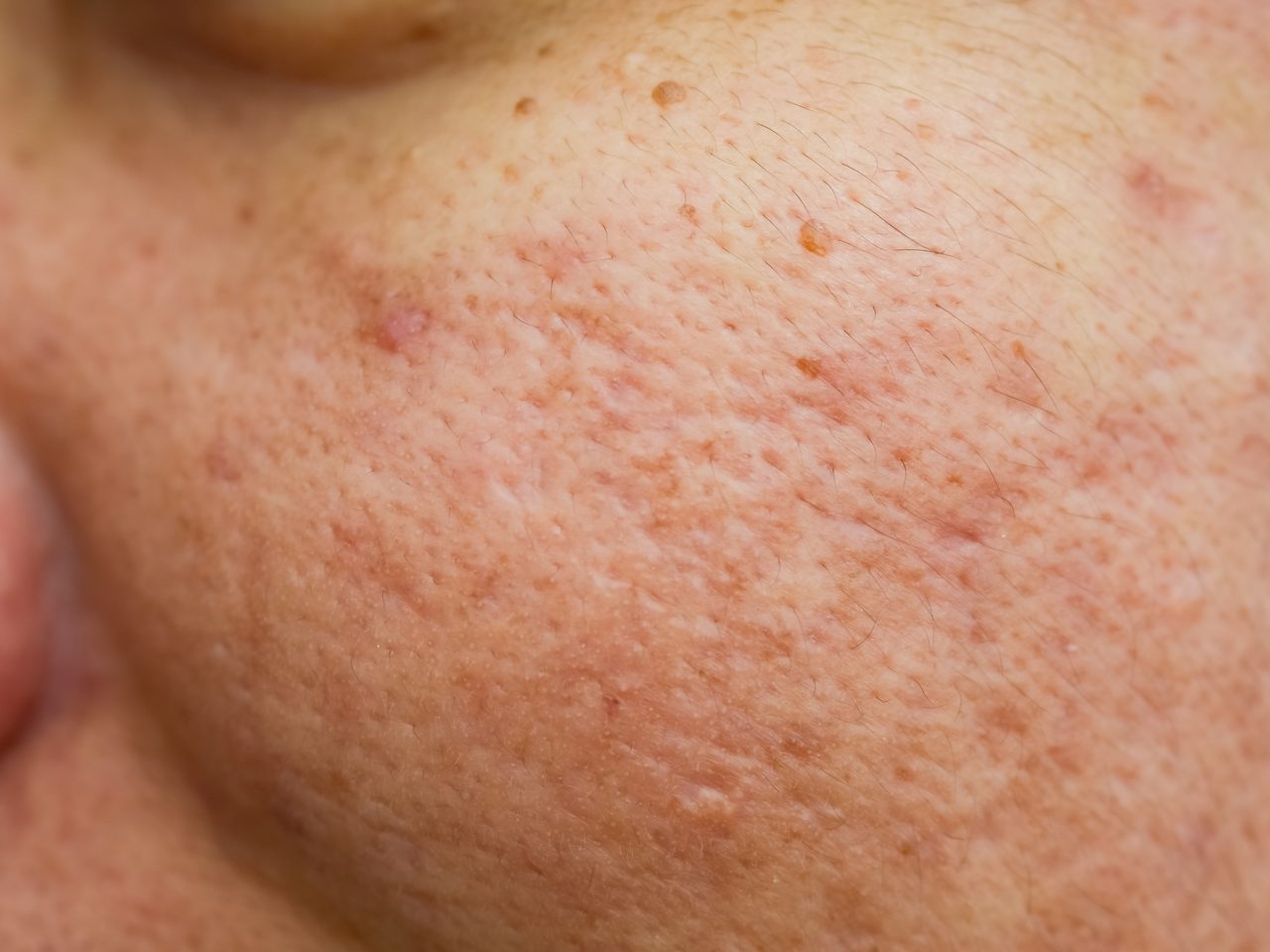
Pores are the tiny openings in the skin that let oil and sweat reach the surface, and everyone has them. They become a concern when they look wide or stretched, most often across the nose, cheeks and forehead, where the skin can look rough or uneven up close. Singapore's heat and humidity tend to make them more noticeable.
A pore cannot be closed or removed, but how visible it looks can change. Some pores are enlarged by oil and congestion, others by skin that has lost firmness, and the two call for different treatment. The right plan can help pores look smaller and the skin look smoother.
What Causes Enlarged Pores
Pores tend to look larger for one of two broad reasons. Some are stretched by oil and congestion, and others by skin that has lost the firmness to hold them in shape. Enlarged pores can come from a range of factors, including:
- Excess oil: Active oil glands push more sebum through each opening, which can stretch it. This is why oily skin usually shows the most visible pores.
- Clogged pores: Oil and dead skin cells can build up into blackheads and whiteheads, and the trapped debris can widen the opening.
- Sun damage: Long-term UV exposure can thicken the skin and weaken its collagen, so pores look more prominent.
- Ageing and lost elasticity: Once collagen and elastin decline, the skin around each pore loses support and the opening can appear to sag and widen.
- Genetics: Pore size and oil production are partly inherited, so visible pores run in some families.
Treatments for Enlarged Pores at ARTÉ
The plan depends on whether oil, congestion or lost firmness is driving your pores, and Dr. Michelle starts with a consultation to work that out. Oil-led options come first below, then treatments that rebuild collagen.
Skin Tox
Skin Tox uses a very dilute toxin, injected just under the skin surface and never into the muscle. It is aimed at the oiliest areas of the face, including the nose and central cheeks, where it can lower oil output and make pores look smaller, with no change in how your face moves.
HydraFacial Syndeo
This is a multi-step medical facial that exfoliates, clears congestion from pores with gentle suction, then infuses serums and finishes with LED light. It suits oily or congested skin and can leave pores looking smaller. As a surface treatment, it also works well as regular upkeep.
Chemical Peel
A superficial glycolic acid peel loosens dead skin cells so they shed, which can help unblock pores and mean fewer breakouts. Clearer pores tend to look smaller. It suits oily, combination and acne-prone skin, but is less suitable for skin that flares easily, such as rosacea or eczema.
Digital Peel Laser
A non-ablative fractional laser that sends two wavelengths into the skin together. One refines the upper layers, and the other reaches deeper to stimulate collagen. Pores and acne scars can look more refined across a course, which suits pores that come with uneven texture or marks.
Long-Pulsed Laser
This dual-wavelength laser warms the skin below the surface to prompt fresh collagen. Over the weeks between sessions, pores can look smaller and texture smoother. The same platform also treats redness and pigmentation, so it suits pores that sit alongside uneven tone.
Discovery Pico Laser
Known mainly for pigmentation, this picosecond laser also stimulates collagen remodelling, and its treatment page lists tighter pores among the results. It suits pores that come with sun damage, dark marks or acne scarring, where one laser can address more than one concern.
Morpheus8
Morpheus8 sends radiofrequency heat through fine microneedles into the deeper skin, where collagen and elastin are remodelled. Its page lists enlarged pores and acne scars among the changes, alongside firmer skin. It suits pores that have widened as the skin has lost firmness, especially where laxity shows too.
PDO Collagen Skinbooster
Tiny polydioxanone microspheres are placed in the skin to encourage its own collagen. Pores can look more refined and texture smoother, and skin density builds gradually. It suits anyone who wants better skin quality, including softer acne scars, without adding volume.
ECM Skinbooster
Made from extracellular matrix components taken from human skin, this booster supplies collagen and elastin directly instead of only prompting the skin to make them. Texture can smooth and pores look finer, with a stronger skin barrier. It suits rough skin and early laxity.
Salmon PN Skinbooster
Polynucleotides from salmon DNA support the skin's own repair and elasticity. Its treatment page lists smaller-looking pores among the results, along with finer lines and a calmer, stronger barrier. It suits pores on skin that is also sensitive, reactive or marked by past breakouts.
Trout PN Skinbooster
A highly purified polynucleotide from trout DNA, aimed at barrier repair and calmer, more even skin. Polynucleotide boosters as a group are also used to help pores look smaller. It suits tired, sun-damaged or post-acne skin where texture and tone need support too.
Possible side effects: Redness, mild swelling, dryness or flaking and small marks at injection points can occur and usually settle with time. Resurfacing lasers can bring more peeling and sensitivity. A consultation is needed first, and results vary from person to person.
Frequently Asked Questions
Can any treatment close my pores?

No. Pores are natural openings and are not meant to close. Treatment works by reducing oil, clearing congestion or rebuilding the collagen around each opening, so pores look smaller and the skin looks smoother.
Will treatment stop my skin being oily?
Not for good. Skin Tox can lower oil output for a time, and peels and facials can keep congestion down, but oil production is partly genetic and tends to return as effects wear off, so upkeep often belongs in the plan.
Will my pores look larger again?
They can. Skin keeps making oil, sun exposure continues and collagen keeps declining with age, so pores can gradually look larger again. Maintenance visits and daily sunscreen help results last.
Do these treatments hurt?
Most people find them manageable. Numbing cream is used for the injections and lasers, and people usually describe light pricks, warmth or a snapping feeling. Peels and facials tend to feel milder, with some tingling.
Is there downtime?
This varies by treatment. Facials and peels usually allow you to carry on with your day, while injections may leave small bumps and lasers can bring redness that eases over time. Resurfacing treatments need more recovery. Your doctor will go through what to expect for your choice.
Can skincare alone shrink pores?
Skincare can help. Sunscreen, gentle exfoliation and products that support oil control can keep pores clear and protect collagen. For a visible change in pore size, treatments that rebuild collagen or regulate oil often do more.
Why Choose ARTÉ by Dr. M for Pores?

Doctor-Led Care
Dr. Michelle Ng designs and performs every pore plan at ARTÉ, from your first consultation to your follow-up. She has practised aesthetic medicine for over a decade.

A Plan Set by Skin Type and Oil Control
Oily, combination and ageing skin need different things. Dr. Michelle looks at how much oil your skin makes, how congested it is and how much firmness it has kept, then decides whether oil control, clearing or collagen building should lead.

Natural-Looking Results
Pores are part of healthy skin, so the goal is a finer, clearer look and never a filtered one. Treatment is measured and built up across visits, and results vary from person to person.

Safety-First Approach
Your first step is a consultation, and afterwards you take home clear aftercare notes and a follow-up review.
Book Your Pores Consultation at ARTÉ by Dr. M
Whether your pores come from oil, sun or age, Dr. Michelle can examine your skin and suggest what may help. Book a visit and go through the options together.
Book a ConsultationThis page is for general education and is not medical advice. Dr. Michelle will assess your concern at a consultation and advise on the treatment that suits you.