What Is Jaw Botox (Masseter Botox)?
Jaw Botox - also referred to as masseter botox, jaw reduction botox, or botox jaw slimming - involves the precise injection of botulinum toxin into the masseter muscles: the large chewing muscles that sit along the sides of the jaw.
When the masseter muscles become overdeveloped, the face can take on a wider, more square appearance in a condition known as masseter hypertrophy. This enlargement can stem from several causes: habitual teeth grinding (bruxism), stress-related jaw clenching, genetics, or frequent chewing of hard foods. It is also more prevalent in individuals of asian descent, where prominent masseter muscles are naturally more common.
How Does Jaw Botox Work?
Benefits of Jaw Botox Treatment

Aesthetic Benefits
Botox jaw slimming creates a gentler, more tapered facial silhouette by reducing the width and prominence of the lower face, resulting in a 'V-shape' or 'heart-shaped' face. Results are gradual and natural-looking, building quietly over weeks. Jawline slimming Botox is a non-surgical alternative to jaw reduction surgery, with no downtime and no dramatic change - a result that looks just like you.

Functional Benefits
Beyond aesthetics, jaw Botox also offers genuine therapeutic value. For those living with bruxism, jaw tension, or TMJ discomfort characterised by jaw stiffness, clicking, popping and associated tension headaches, botulinum toxin injections can meaningfully reduce muscle contraction intensity. This eases daily discomfort and pain, and protects teeth from grinding-related wear. If you experience regular pain in your jaw, neck or shoulders, jaw Botox may be an option for relief.
Who Is a Good Candidate for Jaw Botox?
What to Expect During Jaw Botox Treatment at ARTE by Dr. M
Consultation
Your treatment begins with a detailed assessment of your facial anatomy: masseter size, muscle symmetry, jaw tension, and your personal aesthetic and functional goals. Dr. Michelle reviews your medical history to confirm suitability and designs a jaw reduction plan tailored specifically to you. Her decade-long experience in aesthetic medicine guides this process, ensuring that any recommendation is shaped by a 'less is more' philosophy that prioritises refinement over dramatic change.
The Procedure
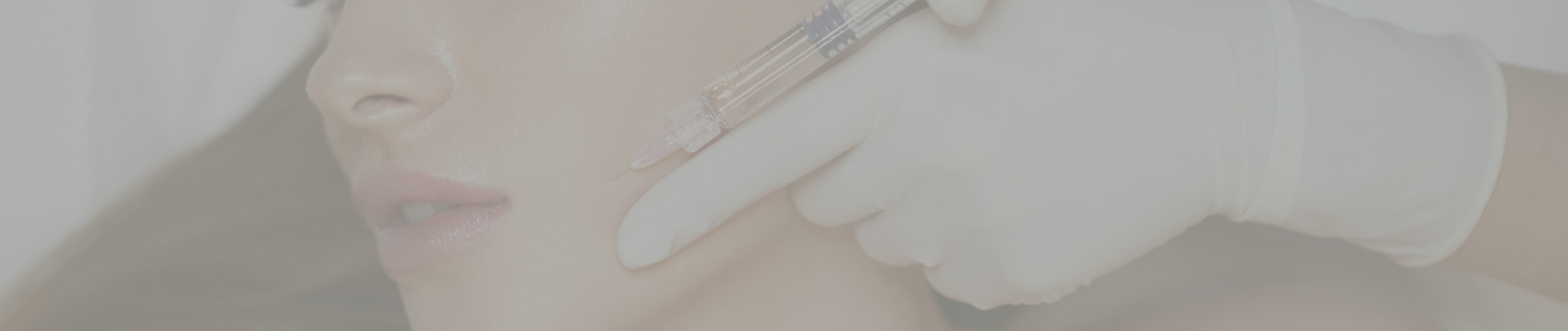
The jaw Botox treatment takes approximately 10 to 15 minutes. Ice or topical numbing cream is applied to the target injection site for comfort, and precise amounts of botulinum toxin are then delivered into the masseter muscles using ultra-fine needles. There are typically one to three injection points per side. Most patients describe the sensation as a brief, light pinch. The experience is calm, unhurried and centred around your comfort.
Aftercare & Recovery
There is no significant downtime with jaw Botox procedures. Most patients can return to daily activities immediately. Minor swelling, redness or tenderness may occur, typically resolving within a day or two. Avoid rubbing the treated area and avoid strenuous exercise for 24 hours, and remain upright for a few hours post-treatment. Dr. Michelle may schedule a review two to four weeks after the procedure.
Jaw Botox Results: What to Expect and When
Jaw Botox Side Effects and Safety
Jaw Botox has a well-established safety profile when performed by a qualified, experienced doctor. Common, temporary side effects include mild swelling, bruising or tenderness at the injection sites, all of which typically resolve within days. Rare side effects may include temporary difficulty chewing very firm foods or, uncommonly, mild transient asymmetry. If you experience any pain or lingering side effects, seek medical attention immediately.
Dr. Michelle only uses HSA-approved botulinum toxin products at ARTE by Dr. M, which may include Botox® (Allergan), Dysport® (Ipsen), Xeomin® (Merz) or Nabota® (Hyphens). Selecting an experienced, qualified doctor for your masseter Botox procedure in Singapore significantly minimises patient risk and ensures natural, well-considered outcomes.
Jaw Botox Cost and Pricing in Singapore
The cost of jaw botox in Singapore varies depending on the number of units required, the extent of masseter hypertrophy, the expertise of the practitioner, and the patient's goals and anatomy. At ARTE by Dr. M, pricing reflects the quality of care, the clinical precision, and the use of only HSA-approved products administered personally by Dr. Michelle. Contact our clinic for a personalised consultation and quote.
How Many Units of Botox Are Needed for Jaw Reduction?
Dosages for jaw botox are always determined individually during consultation. As a general guide, Botox jaw reduction typically requires 15 to 25 units of Botox per side, or approximately 40 or more units of Dysport per side. The precise amount depends on masseter muscle size, degree of hypertrophy, the patient's aesthetic and functional goals, and gender.
Dr. Michelle customises every dosage to the patient and never adopts a one-size-fits-all approach. During the consultation, she considers the patient's medical history and treatment goals when deciding which HSA-approved botulinum toxin brand is suitable, including Botox® (Allergan), Dysport® (Ipsen), Xeomin® (Merz) or Nabota® (Hyphens). The most suitable product is discussed and selected during your consultation, and Dr. Michelle will provide all the relevant information for you to make an informed decision.
Why Choose ARTE by Dr. M for Jaw Botox in Singapore?
For those seeking jaw botox or masseter botox in Singapore with a trusted, experienced doctor, Dr. Michelle brings over a decade of aesthetic medicine expertise and a philosophy rooted in enhancing natural beauty, not altering it. She delivers safe, natural-looking results in a refined clinic setting.
ARTE by Dr. M is known for a precise, personalised approach to aesthetic medicine, where every treatment is considered with the care and intentionality of a work of art. What sets our clinic apart is an unwavering commitment to doctor-led care. Dr. Michelle personally conducts every consultation and every injection: nothing is delegated, nothing is rushed. Safety comes first, with the use of only HSA-approved products, and our clinic adheres to the highest safety standards.
Dr. Michelle's empathetic approach and 'less is more' philosophy are why she is trusted by patients across Singapore for natural-looking results that enhance your existing appearance rather than create a dramatic change. Our clinic is designed with patients' calm and comfort in mind - from the first consultation to the final review, the patient experience is unhurried, personal and precise.
ARTE also offers a range of treatments that complement jaw Botox, including skin booster injections, cosmetic dermal filler injections, and Ultherapy Prime, for those seeking a holistic approach to facial contouring.

































Frequently Asked Questions About Jaw Botox in Singapore
How many sessions of jaw Botox do I need?

Most patients see meaningful results after a single masseter botox session. A second session may be recommended for more pronounced hypertrophy, to address facial asymmetry, or to help with conditions such as teeth grinding, jaw clenching, and associated headaches. Maintenance every four to six months helps sustain both aesthetic and functional results over time.
How long does jaw Botox last?
Results typically last four to six months, depending on muscle size, metabolism, and lifestyle. With consistent treatment, many individuals find that their jaw reduction results become more sustained over time.
Is jaw Botox painful?
The jaw botox procedure is generally well-tolerated. Ice or numbing cream is applied beforehand, and the injections are described by most individuals as brief, light pinpricks. The entire treatment takes around 10 to 15 minutes. Most people do not experience significant side effects after the procedure; if you experience lingering or intense pain, seek medical help immediately.
Can jaw botox help with teeth grinding (bruxism)?
Yes. Jaw botox reduces the intensity of masseter contractions, which can provide relief from teeth grinding (bruxism), jaw clenching, and associated tension headaches. This makes it a treatment sought for therapeutic as much as aesthetic reasons.
Is jaw Botox safe?
When performed by a qualified doctor using HSA-approved products, jaw botox has a well-established safety record. Dr. Michelle Ng’s extensive experience and personalised approach help minimise the risk of side effects and ensure natural-looking outcomes.
What is the difference between Botox and Dysport for jaw slimming?
Both Botox® (Allergan) and Dysport® (Ipsen) are HSA-approved botulinum injections used for jaw slimming. They work via the same mechanism but differ in formulation and unit dosage. The most suitable option is selected during your consultation based on individual factors and clinical preference.
Book Your Jaw Botox Consultation at ARTÉ by Dr. M
A more refined jawline begins with a single, considered step. ARTÉ by Dr. M offers personalised, doctor-led jaw and masseter botox treatments in Singapore designed around your anatomy, your goals, and your natural beauty.
Book a consultation with Dr. Michelle and begin the conversation.