Hair Removal

What is Hair Removal?
Unwanted hair on the face, underarms, arms, legs or bikini line is a common everyday frustration. Shaving, waxing and plucking can bring irritation, razor bumps and ingrown hairs, and the hair tends to return within days or weeks.
Laser and light-based treatments take a different route. They work on the follicle beneath the skin, so hair that returns can be finer, lighter and slower to appear. The aim is long-term hair reduction, not a promise that every hair is gone for good, and treatment can help you spend far less time on upkeep.
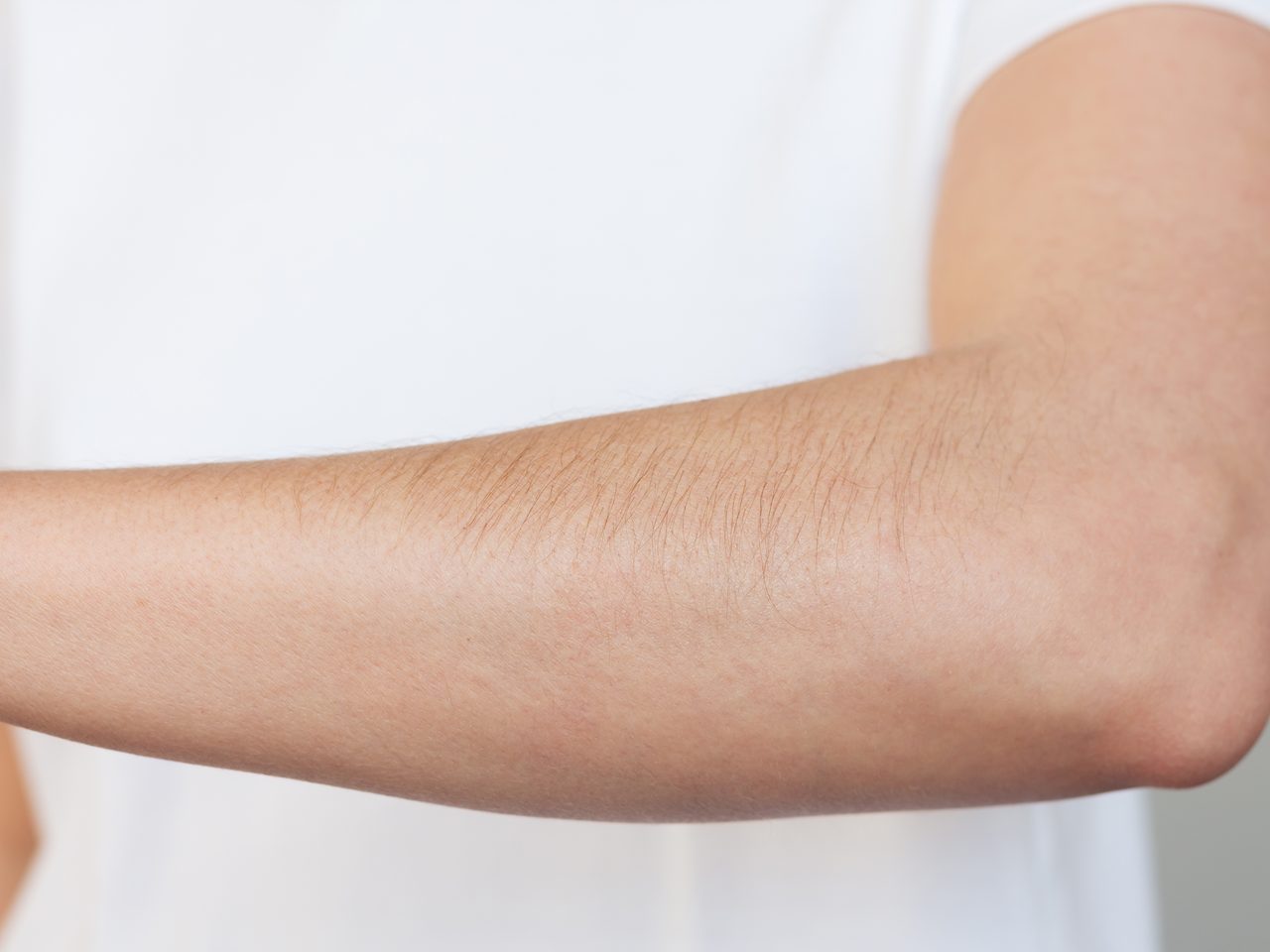
Why Hair Grows Back
Hair does not grow all at once. Every follicle moves through its own cycle, which is why one treatment is never enough. Hair can grow back for a few reasons, including:
- The growth cycle: Each hair passes through a growing phase, a transition phase, a resting phase and a shedding phase, and neighbouring follicles are usually at different stages.
- Only growing hairs respond: Laser and light energy act most readily on hair in its growing phase.
- Why several sessions are needed: Each session catches the follicles that have entered the growing phase since the last one, which is why visits are spaced weeks apart and regrowth thins as the course goes on.
- Hormones: Shifts in hormones, such as those around menopause, can reactivate follicles, most often around the chin, neck and lip area. Sudden or fast new growth is worth raising with a doctor.
- Follicles that recover: Weakened follicles recover over time, so continued sessions with longer intervals will be required to maintain results.
- Hair and skin colour: These treatments target pigment in the hair. Dark, coarse hair tends to respond most readily, while fair, grey or very fine hair can respond less.
Treatments for Hair Removal at ARTÉ
The right treatment depends on your skin tone, hair colour and the area involved. It starts with a consultation with Dr. Michelle.
Long-Pulsed Laser
Long-Pulsed Laser is a multi-purpose platform with Alexandrite and Nd:YAG wavelengths, and its settings are adjusted to match the goal. For hair, they target the pigment in the follicle so that unwanted hair can thin over a course of sessions. Because the same platform also treats pigmentation, visible vessels and texture, it can suit someone who wants to address more than one concern in a single plan. Dr. Michelle will advise whether this or the Hair Removal Laser fits your hair.
Lumecca Super Hair Removal
Lumecca Super Hair Removal delivers intense pulsed light (IPL) through the InMode Lumecca handpiece. Filtered light is absorbed by dark pigment in the hair and carried as heat to the follicle, while a cooling tip protects the skin surface throughout. It suits dark hair on the face or body. The filter and energy are set after an assessment of your skin tone and hair colour, and regrowth often returns finer, lighter and more slowly as sessions build up.
Possible side effects: Temporary redness, warmth or mild swelling can occur, and usually settles. Skin can be more sensitive for a short while afterwards. A consultation is needed first, and results vary from person to person.
Frequently Asked Questions
Will the hair grow back?

Treatment aims for long-term hair reduction, and it is not a promise that every hair stays gone. Hair that returns is often finer and lighter, and occasional maintenance sessions may be advised to keep results steady.
Can I wax or pluck between sessions?
Better not to. Waxing and plucking pull out the hair root, which is the target the light needs. Shaving is usually fine, and Dr. Michelle will give preparation advice for your area.
Does it work on every hair and skin colour?
Not equally. Dark hair on lighter skin usually responds most readily, while fair, grey or very fine hair can respond poorly. Darker or recently suntanned skin needs extra care, so Dr. Michelle assesses both before choosing a device and settings.
Does it hurt?
Most people describe a quick snap, like a rubber band flicking the skin, with brief warmth. Cooling helps, and numbing cream can be applied first for sensitive areas.
What should I do after a session?
Stay out of the sun and use SPF daily. Choose gentle, hydrating skincare and hold off on active exfoliants for a few days. Redness or warmth is common and usually fades quickly.
Can it help with ingrown hairs and razor bumps?
With fewer and thinner hairs, treatment can lessen the ingrown hairs and irritation that come with frequent shaving. It does not remove marks that are already there.
Why Choose ARTÉ by Dr. M for Hair Removal?

Doctor-Led Care
Dr. Michelle Ng carries out every consultation and every treatment herself, never passing them on to another practitioner. Having practised aesthetic medicine for over a decade, she reads how each skin and hair type will react.

A Plan for Your Skin and Hair Type
Skin tone and hair colour decide which device and settings suit you, so both are assessed before anything begins. On deeper skin tones, Dr. Michelle may start with a small test area and adjust gradually, so the skin is treated with care.

Natural-Looking Results
The aim is hair that is sparser, finer and easier to manage, with skin that looks and feels like your own. Results build over a course of sessions.

Safety-First Approach
Nothing starts before a thorough consultation, and clear aftercare and sun-protection advice follow each session.
Book Your Hair Removal Consultation at ARTÉ by Dr. M
Tell us which areas bother you most, and Dr. Michelle will look at your skin and hair before recommending the treatment and the pace that suit you. Book a consultation to begin.
Book a ConsultationThis page is for general education and is not medical advice. Dr. Michelle will assess your concern at a consultation and advise on the treatment that suits you.