Scars

What are Scars?
A scar is what is left when skin repairs an injury, whether from acne, surgery, a cut or a piercing. Some sit below the surface as pits or shallow dips. Others stand above it as firm, raised ridges, and keloids can grow past the edges of the original wound.
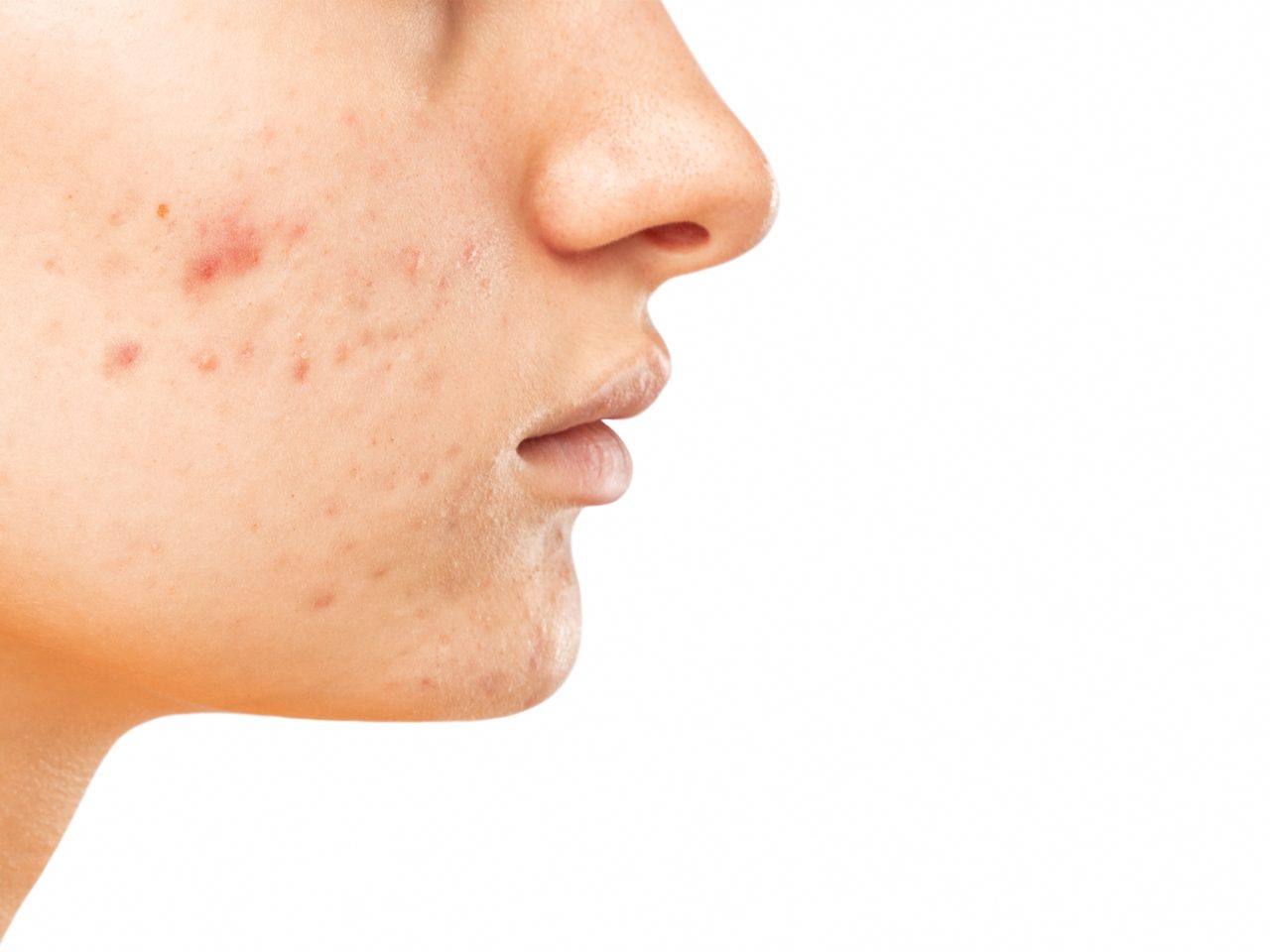
Most people are not dealing with one kind alone. Acne, for example, often leaves a mix of scar types on the same face. Identifying the type is the first step, because sunken and raised scars respond to very different treatments, and treatment can help soften either kind.
What Causes Scars
Every scar comes from the skin rebuilding itself with new collagen, which rarely matches the original. When the balance tips one way or the other, the shape of the scar follows. Scars can come from a range of factors, including:
- Inflamed acne: Deep, inflamed pimples can damage the tissue around them. Squeezing or picking spots may make scarring more likely.
- Too little collagen: Where the repair falls short, the skin sinks into an icepick, boxcar or rolling scar. Rolling scars are often pulled down by fibrous bands beneath.
- Too much collagen: Where the repair overshoots, the scar rises. Hypertrophic scars stay within the wound, while keloids spread beyond it.
- Surgery and injury: Incisions, burns, cuts and piercings can all scar, and tension on the wound can change how it heals.
- Your own skin: Genetics, skin tone and delayed treatment of acne can affect which scars form and how severe they become.
Treatments for Scars at ARTÉ
Planning here follows the scar itself: its type, depth and age. Dr. Michelle sees you first, and examines each scar in person. Tethered rolling scars may sometimes need subcision as well, a small procedure that releases the bands holding the skin down, and she will advise if that applies to you.
Digital Peel Laser
Digital Peel treats at two depths in one pass with fractional, non-ablative laser energy. Its deeper wavelength stimulates collagen to soften scars, while the shallower one refines tone and pigment. It suits acne scars that sit alongside dark marks or enlarged pores, and downtime is usually short.
Discovery Pico Laser
Discovery Pico delivers energy in extremely short pulses that stimulate collagen deep in the skin while leaving the surface intact. It can soften acne scars and the pigmentation that often lingers around them. The sensation is usually brief snaps, and downtime is minimal.
Morpheus8
Morpheus8 sends radiofrequency energy through ultra-fine microneedles into the deeper layers, prompting collagen to rebuild from within. Over a course, post-acne scars and rough texture can look less pronounced. Expect some pinkness and tiny marks from the needles as the skin settles.
Enzyme Scar Remodelling
Enzyme scar remodelling involves the use of an injectable treatment to break down old and damaged collagen fibers, stimulating your body to form new collagen in its place. It works well for patients with tethered, rolling scars, early or late surgical scars and many others.
CaHa Biostimulator
CaHa is a collagen-stimulating injectable made of calcium hydroxylapatite microspheres. Used diluted, it can improve skin quality, and for deeper sunken acne scars where collagen has been lost, it may be placed to build support from beneath. It is often combined with other scar treatments.
HA Filler
HA Filler puts hyaluronic acid under a depressed area to add back volume. For selected sunken scars, especially deep pitted ones, it can lift the surface closer to the level of the skin around it. The effect is temporary and can be topped up. Dr. Michelle will say whether it suits your scar.
PDO Collagen Skinbooster
PDO Collagen Skinbooster uses tiny polydioxanone microspheres, injected shallowly, to encourage your own collagen. It can soften mild post-acne scarring and refine texture and pores gradually, with minimal downtime.
Salmon PN Skinbooster
Made from salmon-derived polynucleotides, this skinbooster supports the skin's own repair and strength. It can help skin recover from acne and may soften sunken scars, and it is sometimes paired with laser or microneedling for added effect.
ECM Skinbooster
This skinbooster brings collagen and elastin building blocks, taken from human skin matrix, into the skin. It aims for a denser, smoother surface and can be used for acne, surgical and other scars, alongside stronger resurfacing where needed.
Keloid Injection
Raised scars call for a different route. A small amount of corticosteroid is injected into the scar to soften it, calm inflammation and slow the collagen overgrowth. It can help keloid and hypertrophic scars flatten and ease itching or tenderness. Most need a series of visits, and complete removal is not always possible.
Possible side effects: Some redness, swelling, tenderness or bruising can follow injections and often eases on its own. Laser resurfacing involves longer healing, and steroid injections can occasionally thin or lighten the skin around a scar. A consultation is needed first, and results vary from person to person.
Frequently Asked Questions
Can a scar be removed completely?

Scars can often be improved but not fully erased. Treatment aims for a smoother, flatter and less noticeable scar, and results vary with its type, depth and your skin.
How many treatments will I need?
Collagen rebuilds gradually, so improvement usually builds over weeks to months and most scars need a course rather than one visit. Many people combine treatments, since one face can carry several scar types.
Does treatment hurt?
Numbing cream is used before injections and most in-clinic treatments. Sensations range from light pinpricks to warmth, and most people find them tolerable.
Is there downtime?
This varies by treatment. Injectables and gentler lasers usually need little time off, while CO2 resurfacing leaves the skin red and peeling for longer.
When can I start treating a new scar?
A fresh surgical scar is often left to settle before laser treatment, and Dr. Michelle can advise on timing. Daily sun protection meanwhile helps limit dark marks.
Why Choose ARTÉ by Dr. M for Scars?

Doctor-Led Care
Dr. Michelle Ng carries out every consultation and every treatment herself, never passing them on to another practitioner. Having practised aesthetic medicine for over a decade, she reads each scar closely before deciding how to treat it.

A Plan for Your Type and Age of Scar
A pitted acne scar, a tethered rolling scar and a raised keloid each need a different approach. Dr. Michelle first works out the scar type and how long you have had it. Your plan may then pair resurfacing with injectables.

Natural-Looking Results
Scars are improved rather than erased, so the goal is smoother, less noticeable skin in proportion to your face, reached gradually and realistically.

Safety-First Approach
A careful assessment comes first, followed by clear aftercare and sun protection advice for healing skin.
Book Your Scars Consultation at ARTÉ by Dr. M
Bring your scars to Dr. Michelle for a close look at their type, depth and age. She will talk through which options may soften them and how a plan could fit your skin and your schedule.
Book a ConsultationThis page is for general education and is not medical advice. Dr. Michelle will assess your concern at a consultation and advise on the treatment that suits you.