Redness
What is Redness?
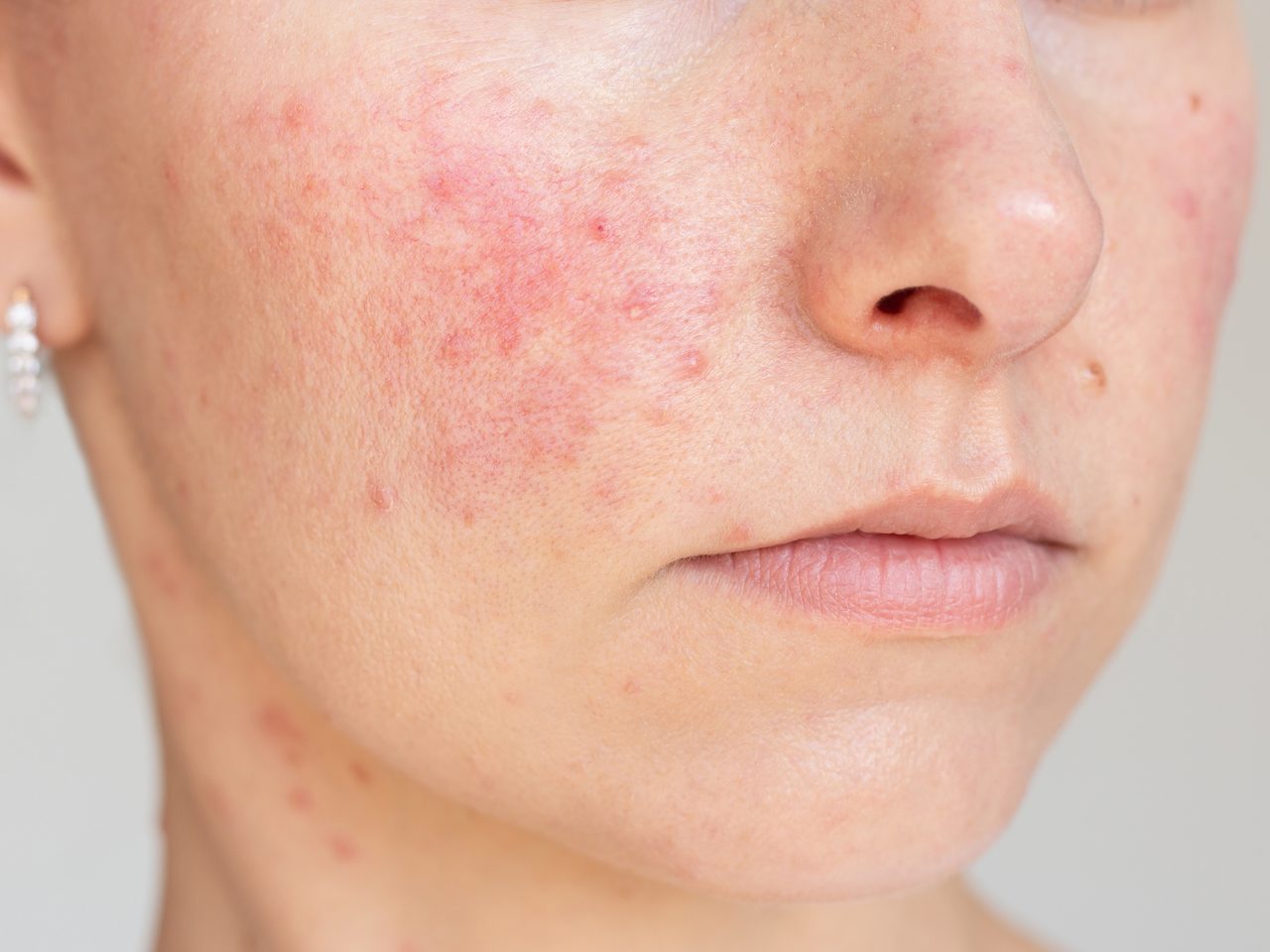
Redness is not one condition. It can be a flush across the cheeks that comes and goes, fine red threads you can see on the nose and cheeks, skin that stays pink and feels easily irritated, or flat red marks that linger after a breakout has healed. Many people notice it in the centre of the face first, and it often flares with heat, sun or stress.
The type of redness decides the approach, and some redness should be looked at by a doctor before anything else. Treatment can help calm the look of it and keep skin more settled.
What Causes Redness
Redness usually comes from one of three places: small blood vessels that stay widened, skin that reacts easily, or inflammation left behind after a flare-up. The causes often overlap. Redness can come from a range of factors, including:
- Visible small vessels: Tiny surface vessels can stay dilated and show through the skin as red lines, especially over the cheeks and nose. Sun exposure and heat can make them more noticeable.
- Flushing and triggers: Heat, spicy food, alcohol, hot drinks, stress and sudden temperature changes can make the face flush, and in some people the redness lingers.
- Rosacea: A chronic skin condition marked by inflammation, which can bring persistent redness, visible vessels and acne-like bumps. Its exact cause is not fully understood, and genetics, vessel and immune responses may all play a part. It tends to come and go, so it is managed over time rather than cured.
- A weakened skin barrier: Harsh products, over-exfoliation and strong actives can leave skin stinging, tight and easily reddened.
- Marks after breakouts: Badly inflamed spots can leave flat red marks that stay after the spot itself has healed.
- Other skin conditions: Contact irritation and eczema-type conditions can look like rosacea, which is why a proper assessment matters.
Treatments for Redness at ARTÉ
Which option suits you depends on the type of redness, how reactive your skin is and what sets it off. Dr. Michelle looks at this at your consultation, and some treatments here work alongside medical care for conditions such as rosacea rather than replacing it.
Clarity II Long-Pulsed Laser
Clarity II is a dual-wavelength, long-pulsed laser that delivers light energy to gently heat the skin. Depending on the cause of your redness, settings can be adjusted to calm inflammation, stimulate neocollagenesis and even shrink vessels thereby controlling and reducing redness. The treatment is planned as part of a program to address the root cause of your redness.
Inmode Lumecca
Lumecca is a clinical-grade intense pulsed light treatment used to treat diffuse redness, visible vessels, sunspots, freckles and uneven tone. It concentrates its output in the 500–600nm range, which blood absorbs readily resulting in rapid vessel shrinkage. Because of its high peak power, it often needs fewer sessions than standard IPL.
585 Yellow Laser
The 585 is a yellow laser designed for redness and visible vessels. The laser gently heats blood vessels until they shrink and fade. It is used for diffuse facial redness, rosacea, broken capillaries and post-acne marks, and it is designed to minimise the bruising that older yellow lasers were known for. Redness is often a chronic condition, so a short series followed by occasional maintenance is usually required.
Duo & Trio Laser Program
Redness often sits beside pigmentation, marks or dullness, so this program pairs or trios the clinic's signature lasers in a single visit. The yellow laser is the one aimed at redness: small surface vessels take up its light, so it can help flushing and the red marks left after breakouts. The long-pulsed laser can be paired with it for visible vessels.
SonoHeal
SonoHeal uses low-frequency ultrasound, passed over the skin with a conductive gel, to support repair, encourage circulation and ease swelling and redness. It feels like a warm, rhythmic massage. It suits inflamed, sensitive or rosacea-prone skin, and is often used to help skin settle after heat-based or needling treatments.
LED LightWave Therapy
A soft-light panel or dome rests above the face, with no needles involved. Different wavelengths are used for different concerns. For redness, the aim is to calm inflammation and soften the flush while supporting healing. It suits sensitive or irritated skin, and is usually taken as a series of sessions.
Salmon PN Skinbooster
This booster uses polynucleotides derived from salmon, given as very fine injections, to help skin repair itself and rebuild its barrier. It suits reactive or compromised skin, and skin that has been left red or marked after acne. Improvement builds across a course, and numbing cream is used first.
ECM Skinbooster
Collagen, elastin and other building blocks of the skin's own matrix are placed straight into the skin with this booster. It aims to build a sturdier barrier, so skin may feel less irritated and sensitive. It suits skin with a damaged barrier, including redness, and results usually build over a course.
Frequently Asked Questions
Can redness be treated for good?

Some types respond well, but others, such as rosacea, tend to flare and settle over time. Treatment aims to reduce how visible and how frequent it is, and maintenance sessions are often part of the plan. Sun, heat and your usual triggers can bring redness back.
Is it safe to use lasers and light on sensitive skin?
Heat-based treatments need extra care on reactive skin, so settings are matched to how your skin behaves. Where skin is very easily irritated, Dr. Michelle may begin with calming options such as ultrasound or LED light and add heat-based steps later.
Do I need a doctor to look at my redness first?
Yes. Redness that is sudden, painful, itchy, scaly or comes with eye irritation may not be rosacea, and a few conditions look alike. Dr. Michelle will assess it at your consultation, and may suggest medical care alongside treatment.
Is one session enough?
It depends on the type and how your skin responds. Vessel-focused lasers and light are usually planned as a course, and calming treatments are often spaced out over a longer stretch. Dr. Michelle adjusts the plan after each visit.
What will my skin look like afterwards?
Expect some pinkness and warmth, which usually settles soon after. Treated vessels can occasionally bruise slightly. Aftercare notes come with each treatment, and it helps to keep skincare gentle and to wear sunscreen daily.
Can I combine these treatments?
Often, yes. A vessel-focused option may be paired with a calming or barrier-support treatment, so the skin is treated and looked after together.
Why Choose ARTÉ by Dr. M for Redness?

Doctor-Led Care
Redness needs a doctor's eye, and Dr. Michelle Ng gives it. She carries out your consultation and your treatments herself. She has practised aesthetic medicine for over a decade.

A Plan for Your Type of Redness
The first step is working out which kind of redness you have: visible vessels, flushing and sensitivity, or marks after breakouts. The next is keeping skin calm while it is treated. Dr. Michelle takes extra care with heat-based light on reactive skin, and may start gently.

Natural-Looking Results
Calmer, more even skin that is still recognisably yours is what we work towards. Progress is usually gradual and measured, rather than a sudden change.

Safety-First Approach
Nothing starts before your assessment, and clear aftercare and follow-up reviews follow so your skin can settle.
Book Your Redness Consultation at ARTÉ by Dr. M
Skin that flushes, shows fine vessels or stays red after breakouts is worth a proper look. Dr. Michelle can work out what is behind yours and which options fit.
Book a ConsultationThis page is for general education and is not medical advice. Dr. Michelle will assess your concern at a consultation and advise on the treatment that suits you.