Acne

What is Acne?
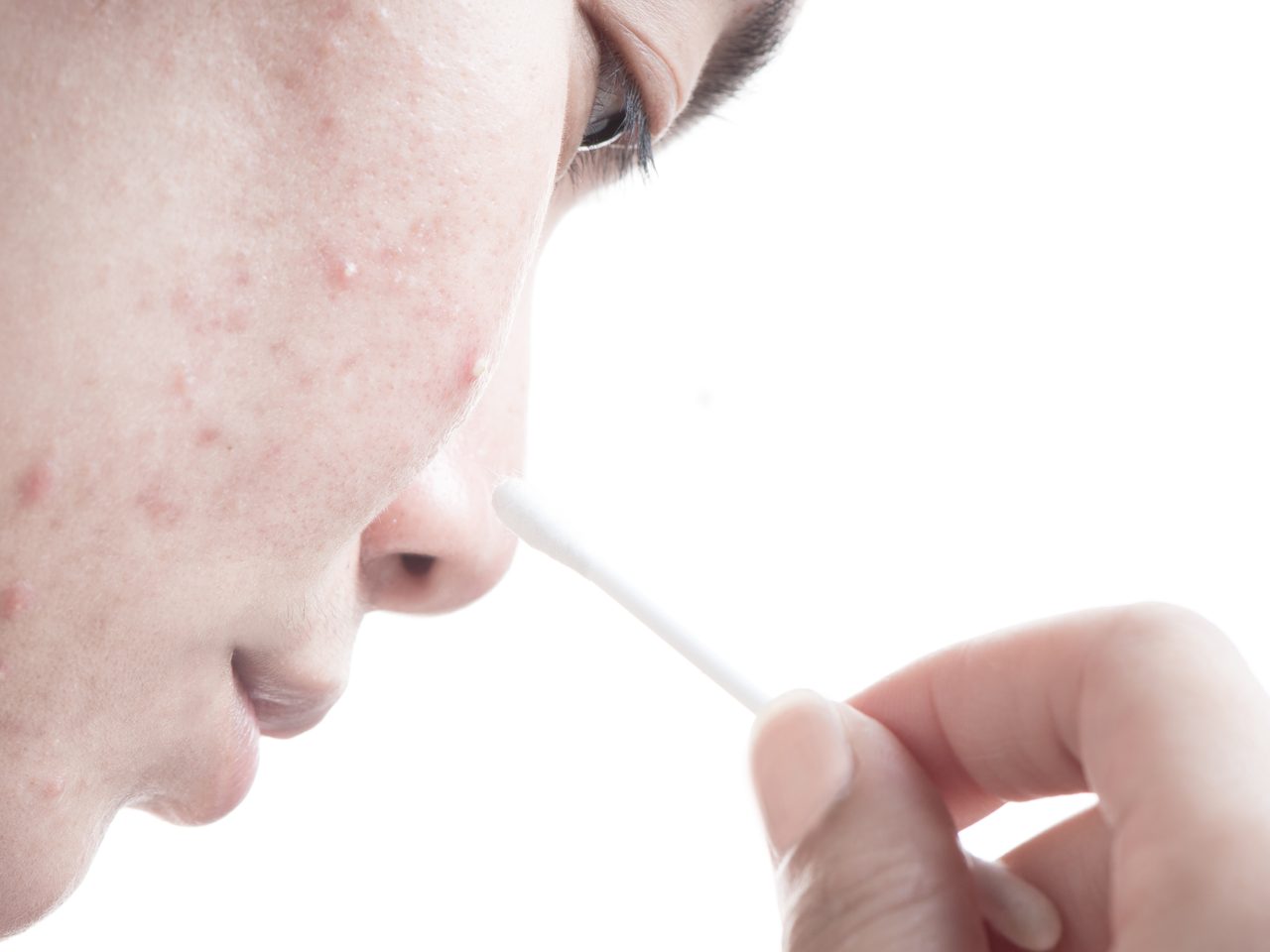
Acne starts in the hair follicles, when their tiny openings get plugged with a mix of oil and dead skin cells. Depending on how deep and inflamed the blockage gets, it can appear as blackheads and whiteheads, red and tender pimples, or deeper, painful lumps under the skin. It shows up most often on the face, and can also affect the neck, chest and back. Many people first meet it as teenagers, and for some it carries on into adulthood.
Two things usually bring people in: active breakouts, and the marks they leave behind. Treatment can help calm inflammation and support the skin, and it works alongside medical acne management rather than replacing it.
What Causes Acne
Acne rarely has one cause. It tends to come from several factors working together, and what drives it differs from person to person. Acne can come from a range of factors, including:
- Excess oil: Oil glands that are overactive make more sebum than the pores can easily release, which can lead to blockages.
- Clogged pores: Sebum mixes with dead skin cells and plugs the follicle, forming blackheads and whiteheads.
- Bacteria: Bacteria that live on the skin can multiply inside a blocked pore, and the inflammation that follows brings redness, swelling and sometimes pus.
- Hormones: Shifts during puberty, around periods or with conditions such as PCOS can increase oil production, and hormonal breakouts often sit along the lower face and jawline.
- Genetics: A family history of acne can make it more likely.
- Skincare and makeup: Heavy products can block pores and make breakouts worse.
- Lifestyle: Stress, poor sleep and a diet high in sugar and dairy may aggravate acne in some people.
How deeply a spot is inflamed also shapes what it leaves behind. Milder breakouts often leave flat red, pink or brown marks, while deeper inflammation can damage the tissue beneath and leave textured scars, which our Scars page covers.
Treatments for Acne at ARTÉ
The right plan depends on whether your skin is actively breaking out, marked from earlier breakouts, or both. At a consultation, our Doctors assess which applies. These treatments sit alongside medical acne care rather than in place of it.
Acne Steroid Injection for Acne Cysts
Acne cysts are the deep, swollen, painful lumps that sit under the skin. A small amount of anti-inflammatory medication is placed directly into the lesion, which can help it flatten and ease the tenderness. It is aimed at an individual flare-up, not long-term acne control, and calming a cyst early may lower the chance of it leaving a mark or scar.
Chemical Peel
A superficial glycolic acid peel loosens the dead cells sitting on the surface so fresher skin can come through. For oily, acne-prone skin and clogged pores, it can help clear congestion and lead to fewer breakouts, and it can soften dullness and mild dark marks along the way. Very sensitive or reactive skin may need a gentler route.
HydraFacial Syndeo
This medical facial has four steps: a gentle exfoliation, suction that lifts congestion out of the pores, serums chosen for your skin, and a finish of LED light to help calm inflammation. It suits oily, congested or acne-prone skin, and for ongoing concerns a regular course can keep the skin clearer and more balanced.
LED LightWave Therapy
Panels of gentle light are held over the face without needles. Blue light is used to calm inflammation and act on acne-causing bacteria, while other wavelengths support skin repair and healing. It suits acne-prone, sensitive or irritated skin, and you can usually return to your day straight afterwards.
Clarity II Long-Pulsed Laser
Clarity II is a dual-wavelength, long-pulsed laser that delivers light energy to gently heat the skin. For patients with acne, it can help to reduce oil gland activity, modulate inflamed skin, stimulate skin rejuvenation and reduce the activity of acne-causing bacteria. It helps treat post-inflammatory hyperpigmentation and redness leftover from acne as well. It is commonly planned as part of a comprehensive treatment program.
Skin Tox
Skin Tox uses tiny droplets of diluted toxin placed in the skin's upper layers, where it can reduce oil and refine pores. It is not an acne treatment in itself, though less oily skin may help some people who are prone to breakouts.
Trout PN Skinbooster
Trout PN is a purified polynucleotide injected into the skin to strengthen its barrier and support repair. It suits skin that is prone to acne, inflammation or sensitivity, and it can help post-acne marks and fragile skin recover. Results build across a course of treatments.
Morpheus8
Morpheus8 combines microneedling with radiofrequency energy to remodel collagen well below the surface. It can also be used in the setting of acne to reduce oil production by overactive sebaceous glands while simultaneously treating scarring. Scars are covered on our Scars page.
Possible side effects: You may notice redness, mild swelling, tenderness, flaking or small pinprick marks, which usually settle with time. A consultation is needed first, and results vary from person to person.
Frequently Asked Questions
Can these treatments replace my acne medication?

No. They are designed to calm inflammation, support the skin and address marks, and they sit alongside medical acne management. Our Doctors will look at what you already use and shape the plan around it, so the two work together.
Is it safe to treat skin that is still breaking out?
Some options are suited to it, such as the injection for cysts, LED light and facials, and others are better held until the skin has calmed. That is why the plan starts with an assessment of whether your skin is active, marked, or both.
Will treatment stop new breakouts?
Not on its own. Acne is driven by oil, hormones and other factors that vary between people, so treatments aim to reduce how often and how severe breakouts are, not to remove the tendency. Ongoing care is usually part of the plan.
Can I pop a pimple before treatment?
Please leave it alone. Picking can push inflammation deeper and raise the chance of marks or scarring. If a spot is painful or under the skin, ask about the injection for cysts instead.
What about the marks left after acne?
Flat red, pink or brown marks and textured scars are different problems with different answers. Several of the treatments above can help marks, and deeper scars are covered on our Scars page.
Is there downtime?
Downtime is light with most of these. Redness, flaking or pinprick marks can follow peels, injections and microneedling, and you will get clear aftercare guidance before you leave.
Why Choose ARTÉ by Dr. M for Acne?

Doctor-Led Care
Dr. Michelle Ng sees you and treats you herself, from first consultation onwards. She has practised aesthetic medicine for over a decade and can tell an inflamed breakout from a mark and plan for each.

A Plan for Active and Marked Skin
Skin in the middle of a flare-up needs a different approach from skin that is clear but marked. Dr. Michelle first assesses which you have, how deep the inflammation sits and how your skin has responded before, then chooses treatments that fit that stage.

Natural-Looking Results
Calmer, clearer skin that still looks like yours is the goal. Skin that is already easily irritated is not over-treated, so the pace is gentle and improvement is steady rather than sudden.

Safety-First Approach
Aftercare guidance comes with every treatment, and follow-up reviews let your doctor check how your skin is responding.
Book Your Acne Consultation at ARTÉ by Dr. M
Whether you are dealing with active breakouts, the marks they have left, or both, come and talk it through with Dr. Michelle. She will look at where your skin is now and suggest a plan that works alongside your acne care.
Book a ConsultationThis page is for general education and is not medical advice. Dr. Michelle will assess your concern at a consultation and advise on the treatment that suits you.