Pigmentation

What is Pigmentation?
Pigmentation is skin colour that has gathered unevenly. It happens when melanocytes make too much melanin, the pigment behind skin colour, and it can show as flat brown spots, larger patches or a dull, uneven tone.
It is not one condition. Sun spots, melasma, post-inflammatory marks and dullness each behave differently, and it matters whether the pigment sits near the surface, deeper in the skin or in both. Once the type is clear, treatment can help even out tone and soften marks.
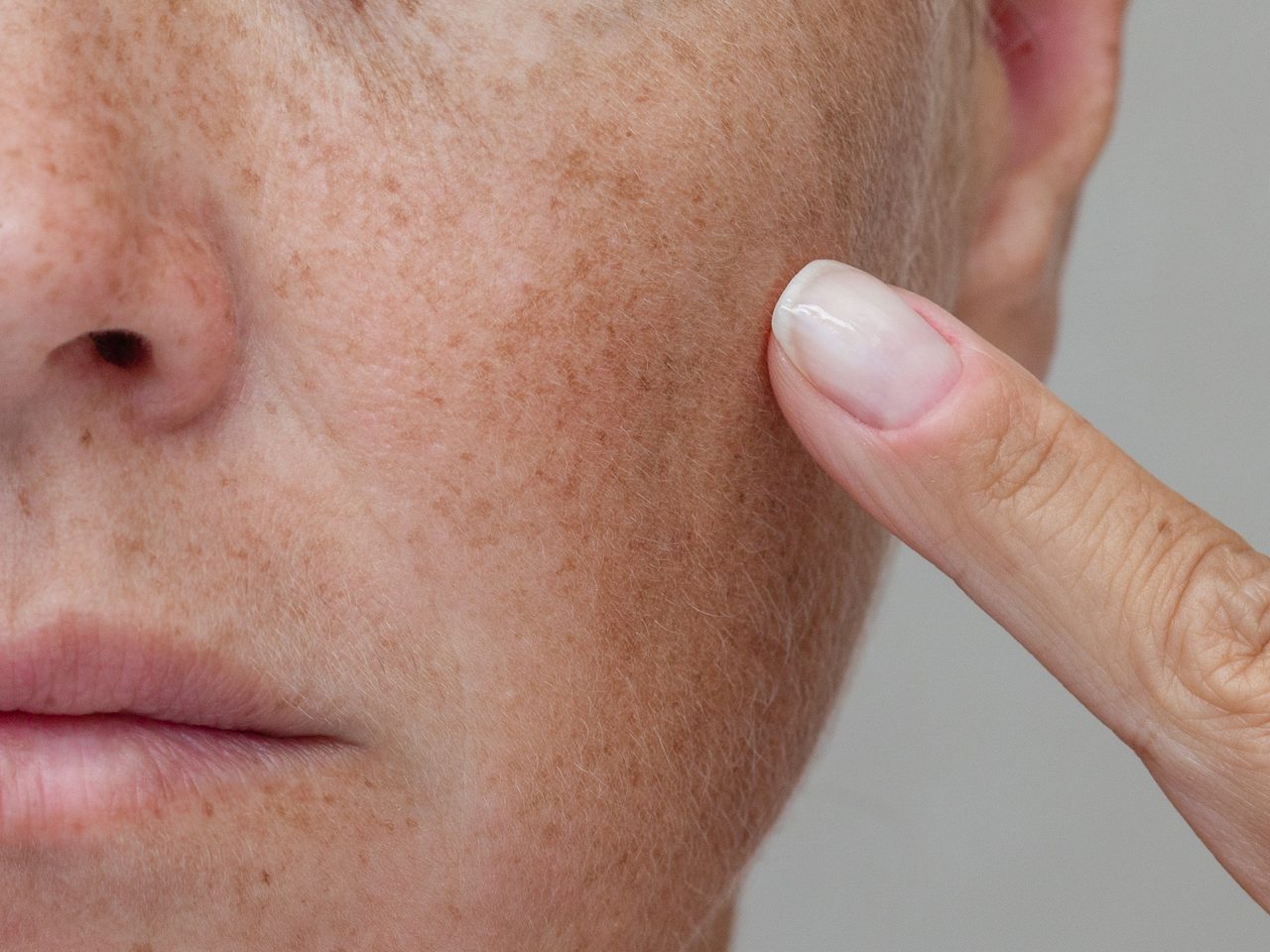
What Causes Pigmentation
Different types have different triggers, and they often overlap. Sun spots follow years of sun exposure, melasma tends to flare with hormones, sunlight and aging, and post-inflammatory marks accompany skin injury. Pigmentation can come from a range of factors, including:
- Sun exposure: UV light switches on melanin production, and over time it can leave lasting sun spots or feed melasma.
- Hormonal changes: Shifts such as pregnancy or the contraceptive pill can set off melasma, or darken pigment that is already there.
- Inflammation or skin injury: Acne, eczema, insect bites or harsh skincare can leave post-inflammatory marks. Asian skin tones tend to be more prone to them.
- Heat and visible light: Melasma can react to heat and light as well as UV, which is why heat-based treatments need care where it is present.
- Ageing: With age, skin controls melanin less evenly and renews itself more slowly, which can bring age spots and a duller tone.
- Genetics, medications and cosmetics: A family history can raise the likelihood, and some medications or cosmetics make skin react more strongly to sunlight.
Treatments for Pigmentation at ARTÉ
Which treatment fits depends on the pigment type, how deep it sits and your skin tone. Our Doctors start by working out what you have at a consultation, since sun spots, melasma and post-inflammatory marks are not treated the same way.
Discovery Pico Laser
Discovery Pico Laser uses picosecond pulses that shatter pigment into tiny fragments the body then clears on its own, with little heat spreading to nearby skin. This helps fade pigmentation such as sun damage, melasma, freckles and age spots. Skin texture and tone often improve alongside, and results build over a series of sessions.
Lumecca IPL
Lumecca is a clinical-grade intense pulsed light treatment used to treat sunspots, freckles and uneven tone. It concentrates its output in the 500–600nm range, which melanin absorbs readily and treated spots darken over the next few days, flaking away within about a week. Because of its high peak power, it often needs fewer sessions than standard IPL.
Long-Pulsed Laser
The long-pulsed laser is a dual-wavelength platform that delivers laser energy, gently warming the skin, and its settings can be precisely tuned to target stubborn pigmentation. It also reduces visible vessels and refines texture, so it suits pigment that comes with redness or early collagen loss.
Digital Peel
Digital Peel is a non-ablative, dual-wavelength, fractional laser that works by creating microscopic treatment columns with the pigment within them rising and shedding over the following week, often as a fine bronzing before it flakes away. This treatment has the added benefit of improving fine lines and texture of the skin.
Cosmelan Peel
Cosmelan Peel is a depigmentation treatment with an in-clinic mask and a homecare plan, made for stubborn pigmentation such as melasma, sun spots and post-inflammatory dark marks. It works by reducing melanin production rather than covering marks. Expect peeling and sensitivity afterwards, and careful home care and sun protection to help prevent it returning.
Chemical Peel
Chemical Peel is a superficial glycolic acid peel that loosens dull surface cells so fresher skin comes through. It can soften light pigmentation, dark marks and sun damage and brighten a tired complexion, with little downtime. For stubborn pigmentation or melasma, ARTÉ's Cosmelan Peel is the treatment to look at.
Trout PN Skinbooster
An injectable polynucleotide, this skinbooster supports skin repair and strengthens the barrier. It can improve pigmentation, dullness and texture, and its page lists stubborn pigmentation such as melasma and post-acne marks among the reasons people choose it. It works gradually, as a course of treatments.
HydraFacial Syndeo
This medical facial exfoliates, clears pores and infuses serums chosen for your skin, brightening ones included. It is aimed at uneven tone, rough texture, dullness and mild pigmentation, and it needs minimal downtime. Regular sessions are often suggested for ongoing concerns, and it can sit alongside stronger treatments in a plan.
SkinCeuticals Facial
The SkinBright facial is the brightening option, meant for skin that looks tired, patchy or worn by the sun. Vitamin C, antioxidants and gentle exfoliating ingredients can even out the complexion and soften the look of pigmentation and dullness. Downtime is minimal, so it suits people who want gentle, regular care.
Duo & Trio Laser Program
Pigmentation often comes with redness, dullness or early collagen loss, and each responds to a different laser. The Duo and Trio programs let you combine two or three of ARTÉ's signature lasers in one visit. Your doctor chooses them after assessing the pigment type, its depth and your skin, and sessions are spaced weeks apart.
Possible side effects: Redness, warmth, dryness or flaking can follow, and these usually settle with time. Treated spots can look darker before they shed, and peels and resurfacing bring more peeling. Any treatment that irritates the skin can occasionally leave pigment darker, so aftercare and sun protection matter. A consultation is needed first, and results vary from person to person.
Frequently Asked Questions
Will pigmentation come back after treatment?

It can, particularly if sun protection and maintenance slip. Marks often fade with the right treatment and steady care, but some types, such as melasma, may need long-term management. Maintenance sessions and daily sunscreen help hold the result.
Is melasma treated differently from sun spots?
Yes. Sun spots usually sit near the surface, while melasma often involves both the surface and deeper layers and can flare with heat, light and hormones. It is often managed with a mix of laser, medical-grade skincare and sun avoidance, planned around you.
Can treatment make pigmentation darker?
Occasionally. Skin that reacts strongly to heat or injury can produce more pigment, and Asian skin tones are more prone to this. Overly aggressive settings are a common cause, which is why treatment is built up gradually and tailored to your skin.
How many sessions will I need?
A series is usual rather than a single visit. The number depends on the type of pigment, how deep it sits and how much there is, and the plan is adjusted as your skin responds. Some treatments, such as Cosmelan Peel, are run as a single course with home care.
Is there downtime?
It depends on the treatment. Facials, Pico Laser, Long Pulse Laser and Lumecca usually let you carry on with your day, with mild redness. Cosmelan Peel and the Multifrax Laser involve more peeling and a longer recovery, and our Doctors will explain what to expect before you decide.
Why Choose ARTÉ by Dr. M for Pigmentation?

Doctor-Led Care
Every consultation and treatment is carried out by Dr. Michelle Ng herself. Having practised aesthetic medicine for over a decade, she looks at what kind of pigment you have before choosing any device or peel.

A Plan for Your Type of Pigment
Sun spots, melasma, post-inflammatory marks and dullness call for different approaches, and depth changes the choice again. Dr. Michelle first identifies the type, then plans treatments around your skin tone and goals, alongside the sun protection and home care that keep pigment from returning.

Natural-Looking Results
We work towards an even tone that still looks like your own skin. Treatment is paced gradually, because pushing pigment too hard can make it worse. It is an aim, not a promise.

Safety-First Approach
A consultation comes first, and aftercare is explained clearly, with daily sun protection at its centre.
Book Your Pigmentation Consultation at ARTÉ by Dr. M
Sun spots, melasma, marks left by breakouts and a dull tone all start the same way: by finding out which type of pigment you have. Book time with Dr. Michelle to identify it, then plan the treatments and sun care that suit your skin.
Book a ConsultationThis page is for general education and is not medical advice. Dr. Michelle will assess your concern at a consultation and advise on the treatment that suits you.