Hair Loss

What is Hair Loss?
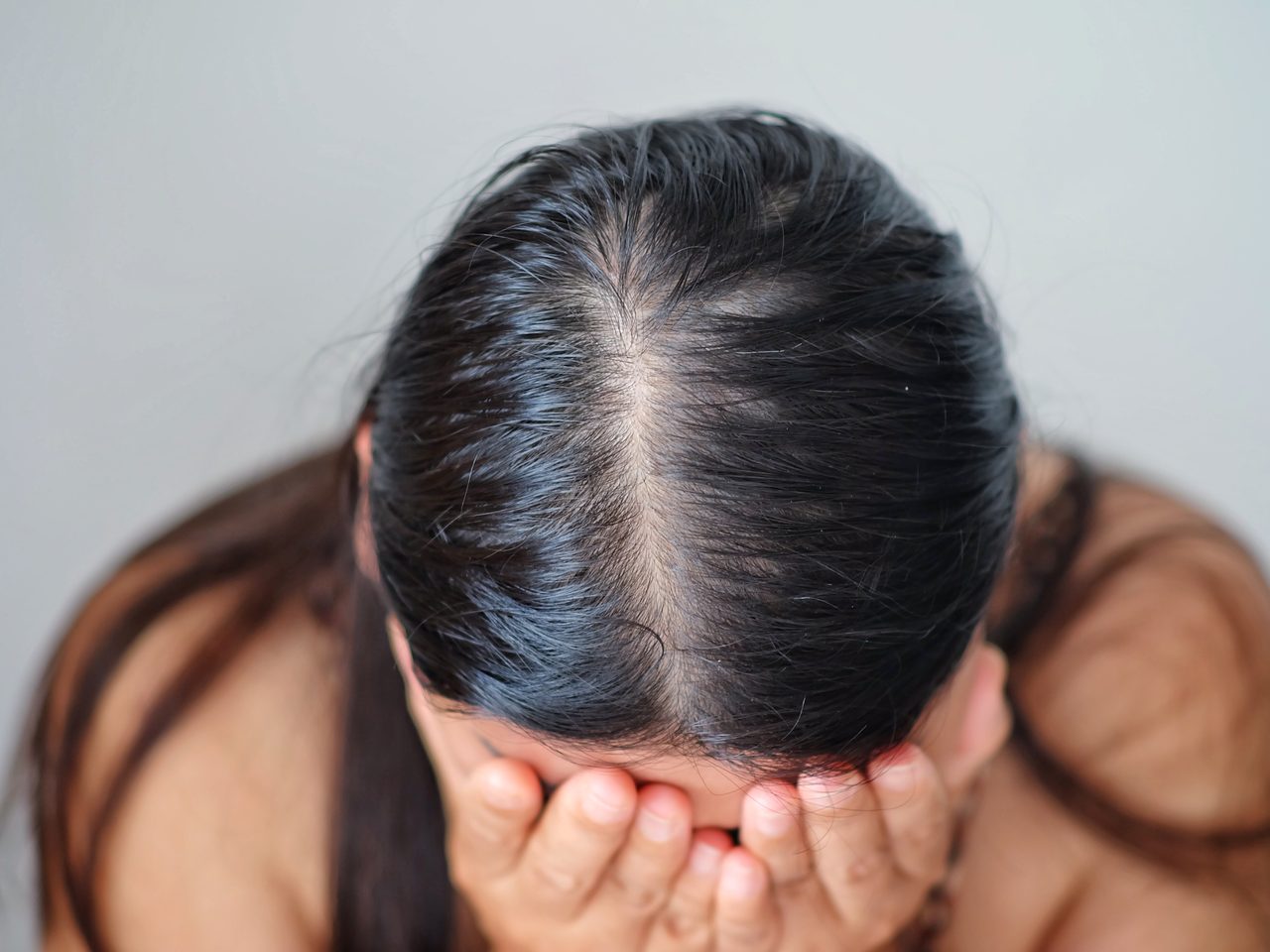
Hair loss looks different from person to person. For some it is a part that slowly widens or a hairline that moves back. For others it is more hair than usual on the pillow or in the shower after a stressful few months. Thinning can show at the crown, the temples or all over the scalp, and it affects men and women at many ages.
The pattern matters, because different patterns usually point to different causes. Once the cause is clearer, treatment can help support the hair you have and the health of the scalp it grows from.
What Causes Hair Loss
Each strand of hair grows, rests and sheds in its own cycle. Hair loss happens when that cycle is disrupted, or when follicles shrink over time. Two people with similar thinning can have very different causes, so working out which applies comes first. Hair Loss can come from a range of factors, including:
- Genetic thinning: Pattern hair loss runs in families. Follicles gradually shrink and grow finer, shorter hairs. Men often notice a receding hairline and a thinning crown, while women more often see the parting widen or the hair thin over the crown.
- Stress and illness: Major stress, illness, surgery or rapid weight loss can push many hairs into the resting phase at once. The extra shedding often shows weeks or months later, and it is often temporary.
- Hormonal change: Pregnancy, the months after childbirth, menopause and thyroid changes can all disturb the hair cycle.
- Scalp health: A flaky, oily, inflamed or clogged scalp is a harder place for hair to grow well.
- Nutrition: Low iron, very restricted eating and other nutritional gaps may add to shedding.
- Hair care habits: Tight styles that pull on the roots, heat and chemical processing can stress the hair and follicles over time.
Some hair loss needs a medical review first. Sudden patches, hair loss with an itchy, painful or scaly scalp, and shedding that keeps going are worth having a doctor look at, as they can point to a condition that an aesthetic treatment will not fix.
Treatments for Hair Loss at ARTÉ
Which option fits comes down to the cause, how much active hair growth is left and what matters most to you. Before recommending anything, Dr. Michelle sits down with you to go through your pattern, scalp and history.
Morpheus8 for Hair
Morpheus8 for Hair combines microneedling with radiofrequency energy, using a hair-specific tip to reach the layer of the scalp where follicles sit. The controlled micro-injuries are meant to improve blood flow and set off the scalp's own healing response, which may help thinning strands grow stronger and shedding settle. It suits early to moderate thinning, including thinning after pregnancy, stress or hormonal change. It is not suitable for areas of complete baldness, scarred follicles or an active scalp infection.
ScalpRx + LED
ScalpRx + LED applies a regenerative serum containing growth factors, peptides and antioxidants, then uses light therapy in red, blue or near-infrared wavelengths. The light is chosen to support scalp health and circulation, calm inflammation and encourage hair growth over time. The session is comfortable and relaxing. It suits a dry or unhealthy scalp, fine or thinning hair, and hair that breaks or sheds more than you would like. It is often planned together with Morpheus8 Hair.
HydraFacial Keravive
HydraFacial Keravive works like a facial for the scalp. Vortex technology lifts away oil, dead skin and product buildup from around the follicles, then a peptide complex with growth factors is infused to hydrate and nourish the scalp. It suits a flaky, oily or dry scalp, follicles clogged by heavy products, and thinning or shedding linked to stress or the months after pregnancy. Hair and scalp usually improve step by step as sessions add up, and downtime is minimal.
Nourkrin
Nourkrin is an oral hair supplement rather than a procedure. It combines nutrients that healthy hair growth depends on, including B vitamins, biotin, zinc and L-cystine, with the aim of nourishing follicles and supporting the natural growth cycle. It is aimed at men and women whose hair is thinning or falling out to a mild or moderate degree, and is often used alongside in-clinic scalp treatments. As a supplement, it is not a medicine and does not replace a medical review.
Possible side effects: The scalp may look pink or feel tender after in-clinic treatments, and some slight flaking can occur. This usually settles. Supplements affect people differently. A consultation is needed first, and results vary from person to person.
Frequently Asked Questions
Can these treatments bring back hair I have lost?

It depends on the cause. Where follicles are still active, treatment may support stronger hair and less shedding. Where follicles have scarred or stopped producing hair, these options may do little, which is why an early assessment helps. Outcomes differ from one person to the next.
Do I need to know the cause before starting?
Yes, it is the first step. Thinning from family history, shedding after stress and a troubled scalp are handled differently. Dr. Michelle reviews your history and scalp, and may suggest a medical check if something points that way.
Can the treatments be combined?
Often, yes. Morpheus8 Hair and ScalpRx + LED are commonly planned together, and Keravive or a supplement can support them. Dr. Michelle will suggest a combination that fits your pattern and goals.
Does it hurt?
Most people find the sessions well tolerated. Morpheus8 Hair can feel like gentle pricks with some warmth, ScalpRx + LED is cooling and relaxing, and Keravive is often compared to a scalp facial.
How long before I notice a change?
Hair grows slowly, so improvement usually builds over several months rather than weeks. Many people first notice less shedding. Treatment is normally a course of sessions, with occasional top-ups to keep the scalp in good shape.
Is there any downtime, and what about washing or colouring my hair?
Downtime is minimal, though the scalp may look pink for a short while. You will be given aftercare notes covering washing, hair products and styling, and a follow-up review lets Dr. Michelle see how you are getting on.
Why Choose ARTÉ by Dr. M for Hair Loss?

Doctor-Led Care
Losing hair is unsettling, and the reasons behind it vary widely. Dr. Michelle Ng stays with you personally, from your first conversation to every session. She has practised aesthetic medicine for over a decade, which informs how she reads your hair and scalp.

A Plan for Your Pattern of Hair Loss
Family-pattern thinning, shedding after stress or childbirth and an unhappy scalp are managed in quite different ways. First comes the question of what may be behind your hair loss, and the plan is built around the answer. If it needs medical review beyond an aesthetic clinic, Dr. Michelle will say so and guide you on the next step.

Natural-Looking Results
We work to support the hair and scalp you already have, so your hair looks fuller and healthier in its own way. Dr. Michelle is candid about what treatment can and cannot do, and no set outcome is promised.

Safety-First Approach
Nothing starts before a scalp consultation, and anything that does not suit your scalp is left out. Written aftercare and a review visit follow.
Book Your Hair Loss Consultation at ARTÉ by Dr. M
Thinning slowly or shedding suddenly, your hair loss starts with one question: why is it happening? Come in for a consultation to talk through your pattern, your scalp and the options that may suit you.
Book a ConsultationThis page is for general education and is not medical advice. Dr. Michelle will assess your concern at a consultation and advise on the treatment that suits you.