Skin Tags & Milia Seed

What are Skin Tags & Milia Seed?
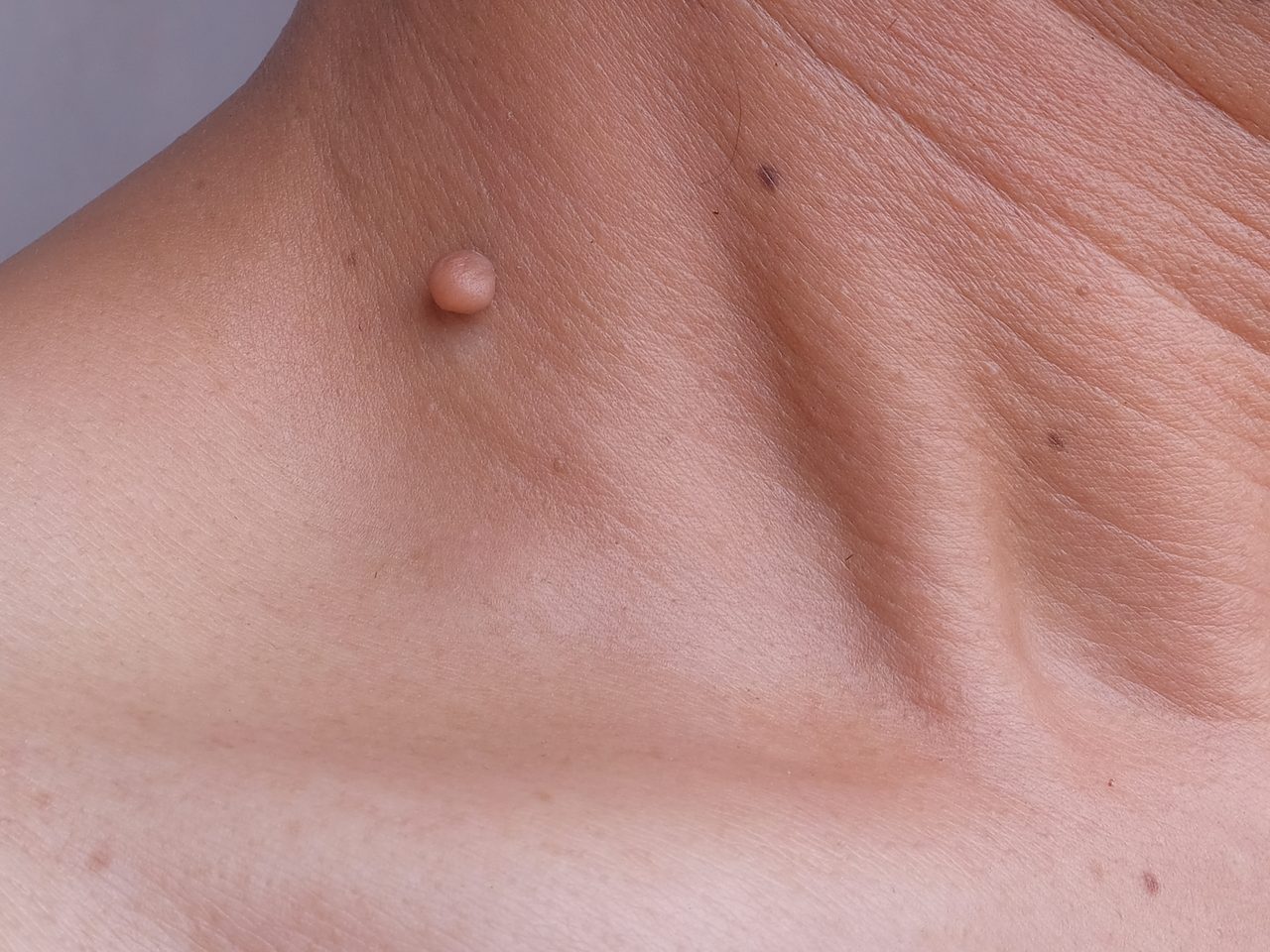
Skin tags and milia look alike at a glance but are two different things. Skin tags are soft, flesh-coloured growths that hang from the skin, usually where it folds or rubs, such as the neck, underarms, eyelids and groin. Milia are tiny white or yellowish bumps, most often around the eyes and cheeks, that sit just under the surface like little pearls.
Both are common and usually harmless. Even so, they can catch on clothing or jewellery, get in the way of makeup, or simply bother you in the mirror. Treatment can help remove them, once a doctor has confirmed what they are.
What Causes Skin Tags & Milia Seed
Skin tags and milia form for different reasons, so it helps to look at each on its own. Skin Tags & Milia Seed can come from a range of factors, including:
Skin tags
- Friction: Skin tags tend to appear where skin rubs against skin, clothing or jewellery, which is why the neck, underarms, groin and eyelids are common spots.
- Weight and skin folds: More folds mean more rubbing, and skin tags are seen more often with weight gain.
- Hormones and pregnancy: Hormonal shifts, including those of pregnancy, may make them more likely.
- Insulin resistance and metabolic conditions: Skin tags are more common in people with these conditions, although having a few does not by itself mean something is wrong.
- Genetics and age: They often run in families and become more frequent as we get older.
Milia
- Trapped keratin: Milia are tiny cysts that form the skin's own keratin protein gets caught in a small pocket under the surface. Dead skin cells that do not shed naturally can add to this.
- Sun damage: Skin that has been damaged by the sun can be more prone to them.
- Heavy creams: Rich or heavy skincare products may contribute, especially around the delicate eye area.
- Skin injury: Milia can appear as the skin heals after a burn, blister or rash.
Not every small bump is a skin tag or a milium. Warts, cysts and other growths can look similar, and a few need different care. That is why a doctor should confirm what a growth is, and why any that change, bleed or look unusual deserve a review. Squeezing, picking or cutting them at home is not advised.
Treatments for Skin Tags & Milia Seed at ARTÉ
Skin tags and milia are treated with the same approach. The plan depends on the type, size and location of each growth, and it starts with a consultation with Dr. Michelle.
Mole & Skin Tag Removal
This laser treatment lifts small benign growths away, including skin tags and milia, layer by layer, while sparing the skin around them. Dr. Michelle first examines each growth to confirm what it is and whether laser suits it. Numbing cream goes on beforehand, and most people feel mild warmth or a light tapping. Small growths often take only a few minutes, and many clear in one visit, though larger or stubborn ones may need a second session. A light scab forms and falls away by itself, and new skin gradually blends in. Most removed growths stay away, but new ones can still develop later.
Possible side effects: Mild redness, swelling or crusting can occur while the area heals, and a small mark or temporary darkening may show afterwards. Sun protection helps. A consultation is needed first, and results vary from person to person.
Frequently Asked Questions
Does the removal hurt?

Numbing cream is applied first, and most people describe a mild warmth or light tapping rather than pain. Larger or deeper growths may call for a numbing injection, and Dr. Michelle will explain what suits yours.
Will it leave a scar?
Any removal can leave a mark, but with careful technique and good aftercare it is usually small and tends to soften as the skin matures. Keeping the area clean, leaving the scab alone and using sunscreen all help the skin heal evenly.
Will they come back?
Once a skin tag is removed, that spot usually stays clear. New ones can form, particularly where friction continues or if you are prone to them. Milia may reappear too, and Dr. Michelle can advise on skincare that lowers the chance.
Is it safe to treat near the eyes?
Both growths are common around the eyelids and cheeks, and Dr. Michelle assesses each location carefully before deciding on the approach. If laser is not the right fit for a growth in a delicate spot, she will say so and suggest an alternative.
Can I remove them at home?
We advise against it. Pulling, cutting or squeezing can cause bleeding, infection, scarring or incomplete removal, and a growth that looks like a skin tag may be something else. A doctor can confirm what it is before anything is removed.
How do I know which one I have?
Skin tags are soft and hang from a small stalk, while milia are tiny white or yellowish bumps that sit within the skin. Since other growths can look alike, a quick look from a doctor at your consultation is the reliable way to tell.
Why Choose ARTÉ by Dr. M for Skin Tags & Milia Seed?

Doctor-Led Care
Dr. Michelle Ng carries out every consultation and every treatment herself, never passing them on to another practitioner. Having practised aesthetic medicine for over a decade, she brings a trained eye to small growths that only look alike.

A Plan That Starts With a Diagnosis
Skin tags, milia and other bumps can look much the same, so we confirm what each growth is before removing anything. Anything that has changed, bled or looks unusual is reviewed first. Your plan then reflects the size, type and position of every growth.

Natural-Looking Results
The aim is to clear the bump and leave the skin around it looking like your own. Treatment is careful and proportionate, particularly around the eyes and face.

Safety-First Approach
Every plan begins with a thorough consultation and is supported by clear aftercare notes and a follow-up review.
Book Your Skin Tags & Milia Seed Consultation at ARTÉ by Dr. M
Bring along the growths that bother you. Dr. Michelle will confirm what each one is, talk through what may be behind it and recommend the removal that suits you.
Book a ConsultationThis page is for general education and is not medical advice. Dr. Michelle will assess your concern at a consultation and advise on the treatment that suits you.