Stretch Marks

What are Stretch Marks?
Stretch marks are streaks or fine lines that show on the skin after it has stretched quickly. They often sit on the tummy, thighs, hips, breasts, upper arms and lower back. Early on they tend to look pink, red or purple. Over time they usually fade to a paler, slightly sunken line.
They are common and not harmful to your health, but many people would like them to look less noticeable. Treatment can help improve their colour and texture, though it cannot erase them completely.
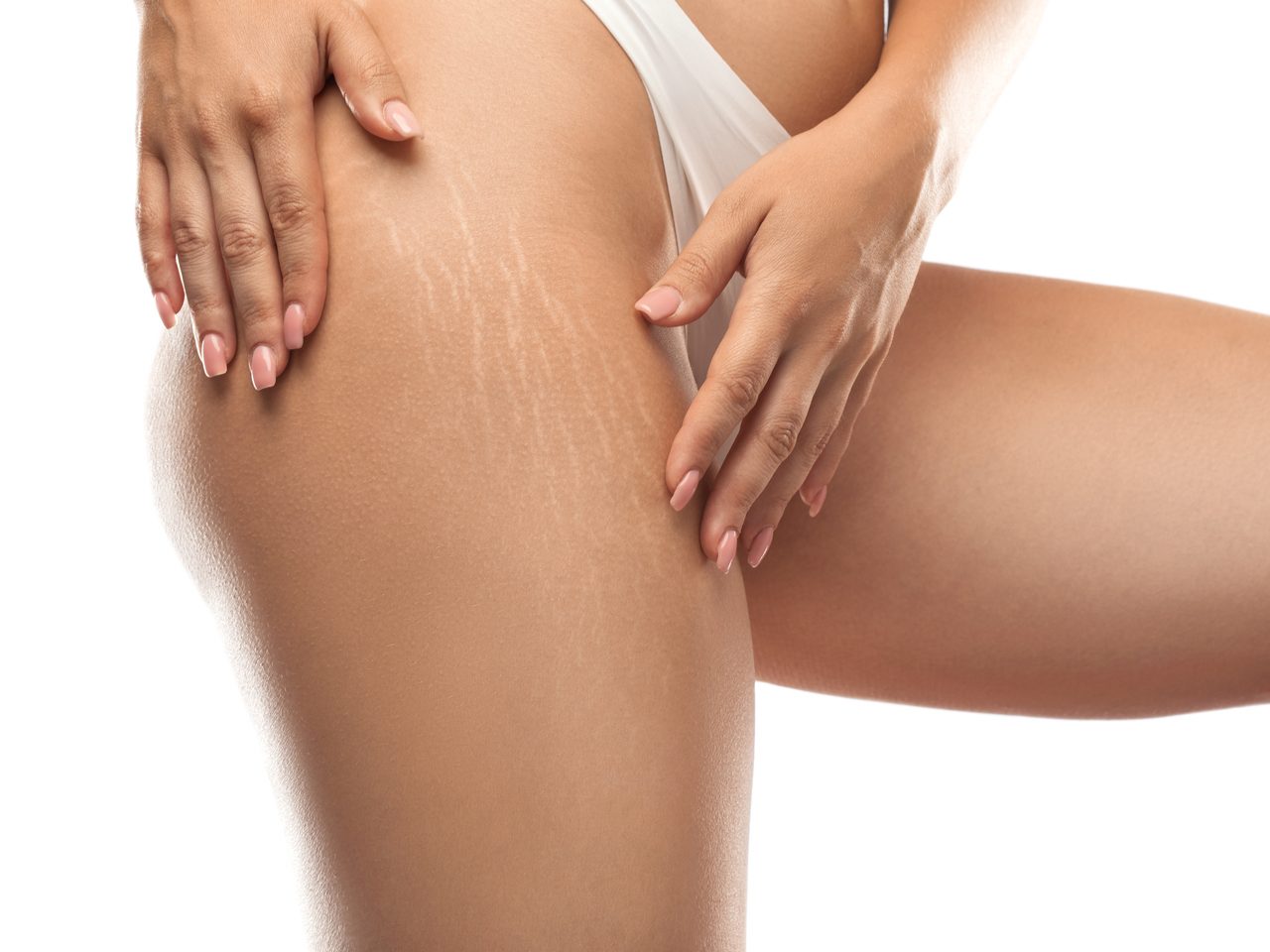
What Causes Stretch Marks
Stretch marks form in the dermis, the layer that gives skin its strength. When the skin is pulled faster than it can adapt, the collagen and elastin fibres there can tear, and a mark appears. Stretch marks can come from a range of factors, including:
- Rapid growth: Growth spurts in the teenage years often leave marks on the back, hips and thighs.
- Pregnancy: The tummy, breasts and hips expand quickly, and hormonal changes can also make collagen and elastin less resilient.
- Weight change: Fast weight gain or loss puts sudden strain on the skin.
- Muscle gain: Building muscle quickly, for example through weight training, can stretch the skin over the arms, chest and shoulders.
- Hormones and genetics: Some people are simply more prone, and a family history of stretch marks raises the likelihood.
- Certain medicines: Strong steroid creams or tablets used without medical supervision can weaken the skin and lead to marks.
Treatments for Stretch Marks at ARTÉ
The right plan depends on the age and colour of your marks, your skin type and your goals. It starts with a consultation with Dr. Michelle. Newer red or purple marks generally respond more readily than older white ones, and treatment aims to improve the look and feel of the skin, not to remove the marks.
Morpheus8
Morpheus8 pairs ultra-fine microneedles with radiofrequency energy to reach the deeper layers of skin, where collagen and elastin are remodelled. Its treatment areas include the body as well as the face, and radiofrequency microneedling is a recognised approach to stretch marks. Over a course of sessions, skin can look smoother and firmer. Pinkness or mild swelling afterwards is common.
Digital Peel Laser
Digital Peel Laser delivers two wavelengths in a single pass. One works near the surface to even out tone, while the other reaches deeper to stimulate collagen. Its maker names stretch marks among the concerns it can soften, on the body as well as the face. The treated skin gradually sheds and renews, and downtime is usually minimal. A course of sessions is normally advised.
PDO Collagen Skinbooster
PDO Collagen Skinbooster places tiny polydioxanone microspheres just under the skin's surface, aiming to encourage your own collagen. Its page describes it for facial texture, pores and fine lines, and it does not mention stretch marks. Sources on stretch marks point to collagen stimulation as the approach that matters, so Dr. Michelle will tell you at consultation whether it suits your marks.
ECM Skinbooster
ECM Skinbooster delivers collagen and elastin components, drawn from human skin matrix, directly into the skin. The aim is a denser skin structure with firmer, smoother texture. Its page describes it for the face and does not name stretch marks. Where it is considered, it is to support skin quality alongside other treatments, and Dr. Michelle will advise whether it belongs in your plan.
Possible side effects: Redness, mild swelling, dryness or flaking can occur and usually settles. A consultation is needed first, and results vary from person to person.
Frequently Asked Questions
Can stretch marks be removed completely?

Not usually. Treatment can improve their colour, texture and how visible they are, but some trace often remains. Realistic expectations are part of the consultation, so you know what improvement is reasonable for your marks.
Do red stretch marks respond more readily than white ones?
Often, yes. Newer marks still have a blood supply and active skin repair, so they tend to respond more readily. Older white marks can also improve in texture, but usually more slowly and to a smaller degree.
How many sessions will I need?
Stretch marks rarely change in one visit. Most of these treatments are given as a course, with results building gradually between sessions. Dr. Michelle will suggest a schedule after assessing your marks.
Are the treatments painful?
Numbing cream is used for comfort. Most people describe a warm, prickling sensation, and the treatments are generally well tolerated. The body areas can feel a little more sensitive than the face.
Is there downtime?
It depends on the treatment. Some leave only mild redness that settles quickly, while deeper laser resurfacing needs longer to heal. Dr. Michelle will explain what to expect for the option you choose.
Why Choose ARTÉ by Dr. M for Stretch Marks?

Doctor-Led Care
Dr. Michelle Ng carries out every consultation and every treatment herself, never passing them on to another practitioner. Having practised aesthetic medicine for over a decade, she brings an experienced eye to marks of every age and colour.

A Plan for Your Type of Stretch Marks
Red, purple and white marks behave differently, and skin type and the area treated matter too. Dr. Michelle assesses the age and colour of your marks first, then builds a plan around realistic goals, which may combine more than one treatment over a course.

Natural-Looking Results
The aim is smoother, more even skin that blends with the area around it. Treatment is measured and paced, so improvement builds gradually and looks like your own skin. It is an aim, and outcomes differ between people.

Safety-First Approach
Every plan begins with a thorough consultation and is supported by clear aftercare.
Book Your Stretch Marks Consultation at ARTÉ by Dr. M
Talk through where your marks are, how long they have been there and what you would like to see change, and Dr. Michelle will advise which options suit your skin. Book a consultation to start.
Book a ConsultationThis page is for general education and is not medical advice. Dr. Michelle will assess your concern at a consultation and advise on the treatment that suits you.