
The skin's response to laser energy depends entirely on wavelength. A picosecond pulse shattering a melanin cluster operates on different physics from an ablative carbon dioxide beam removing damaged surface tissue, and both differ entirely from a long-pulsed thermal device warming the dermis to stimulate collagen production. Each mechanism has its own logic, its own depth of action, and its own category of concern.
This matters because "laser" has become one of the most casually applied words in aesthetic medicine, used to describe technologies that share a light source but diverge almost entirely in what they do, how they do it, and what they are suited to treat. The confusion is understandable. The category is broad, the devices are numerous, and the information most patients encounter rarely slows down enough to explain the underlying science. What tends to follow is a consultation in which someone knows they want a laser treatment but has no framework for understanding what is actually being proposed for their skin.
This article addresses that gap. What follows is a clear account of how laser treatments work, what the main categories are, and what each one is designed to treat. The three facial laser treatments offered at ARTÉ by Dr. M (the CO₂ Resurfacing Laser, the Discovery Pico Laser, and the Clarity II Long-Pulsed Laser) are each covered in detail, along with the clinical reasoning behind their selection and the concerns they are best positioned to address.
How Lasers Actually Work
At its most fundamental, a laser is a device that emits a concentrated beam of light at a specific wavelength. When that light contacts the skin, it is absorbed by a particular biological target (a chromophore, in clinical terminology), which may be melanin, water, haemoglobin, or another tissue component depending on the wavelength in use. The absorbed energy is converted to heat, pressure, or both, and it is this conversion that produces the treatment effect.
The first distinction worth understanding is between ablative and non-ablative delivery. An ablative laser removes the outermost layers of the skin deliberately, creating a controlled wound that triggers the body's natural repair cascade. As the skin heals, it generates new collagen and elastin, gradually replacing the damaged tissue with healthier, firmer, more even-textured skin. The CO₂ laser is the most established ablative technology, and the depth it reaches into the dermis is what makes it capable of producing meaningful structural change. Non-ablative lasers pass through the skin's surface without removing it, delivering their energy to deeper layers to stimulate change from within. The surface is preserved. Recovery is minimal. The trade-off is that results tend to develop more gradually, and a series of sessions is typically required. This distinction has practical implications beyond recovery time: ablative treatments produce a more immediate and pronounced tissue response because the wound-healing cascade is triggered at the surface, while non-ablative treatments work more subtly, stimulating cellular activity in the deeper layers without the same acute response, which is why their results accumulate progressively rather than arriving in a single recovery period.
The second distinction is between fractional and fully ablative delivery. A fractional laser treats the skin in thousands of microscopic columns, leaving the surrounding tissue between each treated point entirely intact. This surrounding untreated tissue acts as a biological scaffold, accelerating healing and reducing risk considerably compared to earlier generations of laser resurfacing, which treated the entire surface at once. Most modern CO₂ treatments are delivered fractionally, which is part of why the technology has become significantly more accessible than it was when fully ablative resurfacing was the standard.
Wavelength is the third and most clinically specific variable. Shorter wavelengths are preferentially absorbed by melanin, making them well suited to addressing pigmentation at or near the skin's surface. Longer wavelengths penetrate more deeply, reaching the dermis to target structural concerns such as collagen loss, vascular changes, and the inflammatory activity associated with acne. Pulse duration adds a further layer of precision: ultrashort pulses, measured in picoseconds, minimise heat transfer to surrounding tissue and favour a pressure-based mechanism of action, while longer pulses allow heat to accumulate within a target tissue over time, which is clinically useful for both collagen stimulation and vascular treatments.
These variables are what allow a skilled practitioner to select the right laser skin treatment for a specific concern on a specific skin type. There is no universal protocol because there is no universal skin, and the same device used on two patients with similar-sounding concerns may require entirely different settings depending on skin tone, depth of pigmentation, degree of structural change, and a range of other individual factors. This is why the science beneath the word "laser" matters: it is the framework that makes precise personalisation possible.
CO₂ Resurfacing Fractional Laser
The CO₂ resurfacing laser is the deepest-acting laser treatment offered at ARTÉ by Dr. M, and it is the principal choice for patients addressing scarring, significant textural change, or visible sun damage where surface-level treatment is insufficient.
The treatment works by delivering controlled energy through a fractional pattern of micro-beams, each one creating a precise column of thermal injury that penetrates into the dermis. Within each treated column, damaged or compromised tissue is removed or coagulated. The untreated skin surrounding each column immediately begins supplying the growth factors and cellular signals needed for repair, driving a wound-healing response that stimulates the production of new collagen and elastin. As that response proceeds, the skin gradually replaces the treated tissue with new, structurally healthier skin, and the improvements in texture, firmness, and tone accumulate progressively over months.
Laser resurfacing at this depth is suited to concerns rooted in the dermis itself. Acne scars, particularly atrophic or pitted scars, involve a disruption of dermal architecture where renewal needs to occur from within the skin's deeper layers. Laser scar removal at this level means working within the dermis itself, prompting the body to rebuild the collagen architecture that scarring has altered. For certain types of atrophic scarring, filler injections are sometimes used alongside or in place of laser resurfacing, with hyaluronic acid placed within the depressed area to support the surface from beneath; the effect is temporary, and the right approach for a given pattern of scarring is best determined during a personal consultation. Deep wrinkles, enlarged pores associated with lax skin, and significant sun damage that has permanently changed the skin's surface texture are similarly suited to this depth of action.
The recovery process is a meaningful part of the treatment, and it is worth understanding clearly. In the first two to three days following a CO₂ session, the skin will appear red, feel warm, and may be swollen, particularly around the eyes. Peeling and crusting follow as the treated columns shed, and most patients experience five to seven days of visible recovery before the skin has healed sufficiently to return to normal activities. A pinkness may persist for several weeks after that, gradually fading as the collagen remodelling continues. The most significant portion of the visible improvement tends to emerge between three and six months post-treatment, when the newly produced collagen has matured. For most patients, a single carefully calibrated session produces substantial change, though some individuals with layered concerns may benefit from a planned series over time.
The same properties that make CO₂ resurfacing effective also make the calibration of settings critically important. Asian skin, which falls predominantly in the Fitzpatrick III to V range, is more susceptible to post-inflammatory hyperpigmentation following high-energy laser treatments than lighter skin types. The melanocytes in higher Fitzpatrick skin are more reactive, and incorrect settings, insufficient pre-treatment preparation, or inadequate aftercare can result in prolonged redness, uneven pigmentation, or textural changes that require additional time and treatment to resolve. For this reason, the practitioner's experience in treating Asian skin and their precision in calibrating settings are central to both the safety and the quality of the outcome. At ARTÉ by Dr. M, the treatment is offered selectively, for patients whose concerns warrant its depth and who are assessed as appropriate candidates following a thorough consultation.
Discovery Pico Laser
The Discovery Pico is a non-ablative picosecond laser and the primary tool at ARTÉ by Dr. M for addressing pigmentation, uneven skin tone, and dullness. In terms of laser pigmentation removal, it represents a meaningful clinical evolution from the Q-switched nanosecond lasers that preceded it, and the distinction matters particularly for the skin types most commonly treated in Singapore.
Older nanosecond laser technologies break down pigment primarily through a photothermal mechanism: the heat generated by absorbed laser energy causes melanin granules to fragment and the surrounding tissue to respond. This thermal component carries an inherent risk of inadvertently stimulating the very melanocytes responsible for pigmentation, which can result in post-inflammatory hyperpigmentation, a particular concern for Fitzpatrick III to V skin. Picosecond technology addresses this by delivering energy in pulses approximately one thousand times shorter in duration. At this speed, the primary mechanism shifts from photothermal to photoacoustic: the ultra-short pulse generates a pressure wave that physically shatters melanin particles into fragments fine enough for the body's lymphatic system to clear naturally. Because significantly less heat is deposited in the surrounding tissue, the inflammatory response is reduced and the risk of hyperpigmentation is considerably lower.
The Discovery Pico operates across multiple wavelengths, which gives the practitioner the flexibility to target both superficial and deeper pigmentation within the same treatment session. Sunspots and post-inflammatory hyperpigmentation from past breakouts tend to sit close to the surface; melasma, which involves both superficial and deeper dermal melanin deposits, requires more nuanced management across sessions.
The treatment experience is well-tolerated. Mild redness following the session is expected and typically resolves within a day. Pigmented areas may darken slightly in the days immediately following treatment, which is a normal part of the clearance process: the fragmented pigment rises toward the surface before shedding. Meaningful improvement in laser pigmentation removal generally requires a series of sessions, spaced to allow the lymphatic system sufficient time to clear each round of treated pigment before the next. The precise number depends on the nature, depth, and extent of the pigmentation being addressed, and is assessed individually.
Beyond pigmentation clearance, the Discovery Pico produces a secondary benefit in skin quality. The photoacoustic energy stimulates a mild collagen response in the dermis, which means that skin clarity improvements are often accompanied by gradual improvements in texture, pore appearance, and overall luminosity over the course of a treatment series. For patients whose primary concern is dull, uneven skin tone without significant structural change, this combination of pigmentation clearance and collagen stimulation makes the Discovery Pico a well-rounded first-line approach.
Clarity II Long-Pulsed Laser
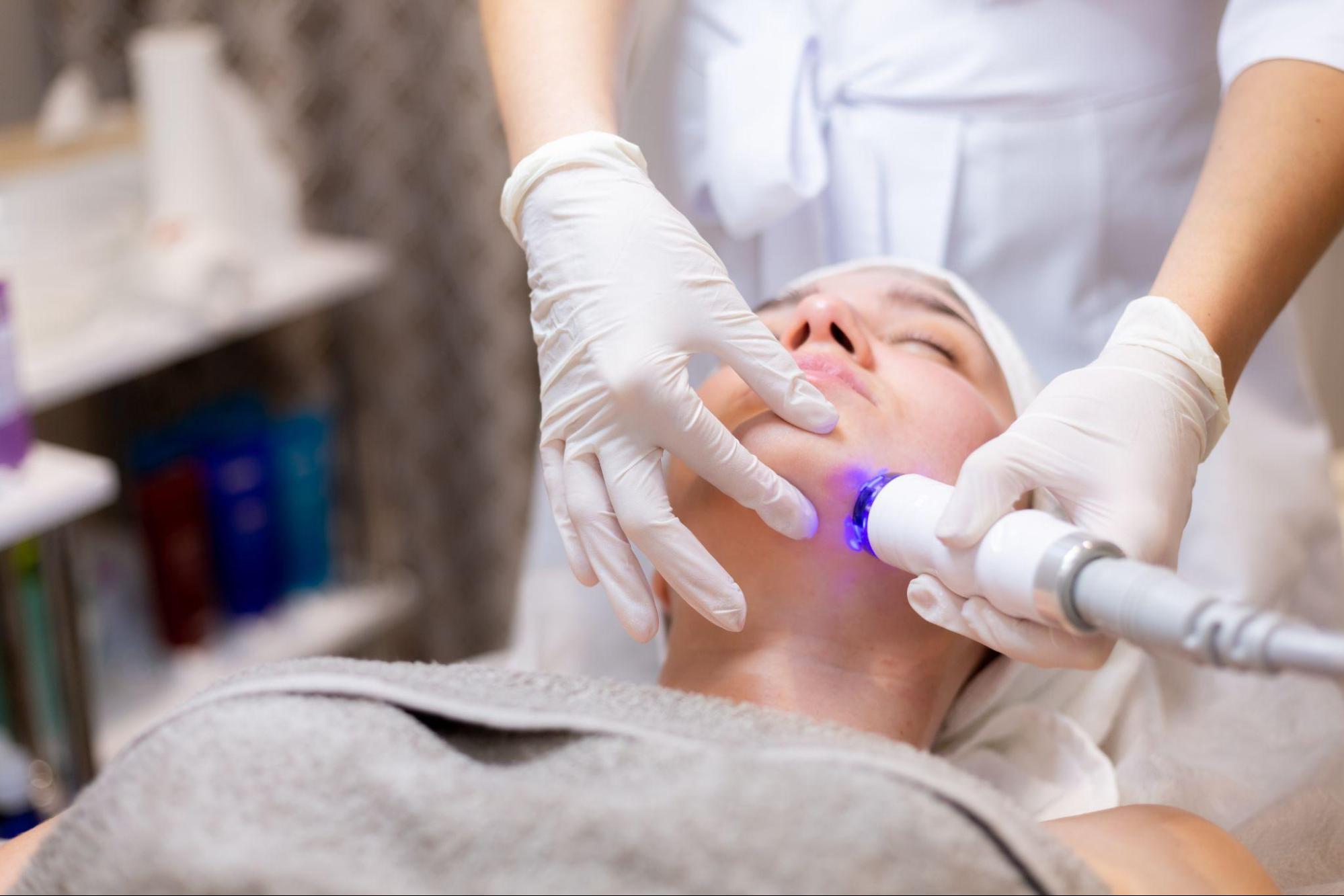
The Clarity II is a non-ablative, long-pulsed laser that delivers its effect through controlled thermal energy to the dermis. Its primary areas of application are vascular and inflammatory skin concerns, ongoing collagen support, and overall skin quality, and it is the most broadly accessible of the three laser treatments at ARTÉ by Dr. M, with no recovery period and a wide range of treatable concerns.
The device operates across two wavelengths: the 755nm alexandrite, which targets superficial structures including pigment and small vessels near the surface, and the 1064nm Nd:YAG, which penetrates more deeply into the dermis to address vascular structures and stimulate collagen production. The longer pulse duration that characterises the Clarity II's delivery is central to its mechanism. Rather than delivering energy instantaneously, it sustains the pulse long enough for heat to accumulate within the target structure. For vascular concerns such as facial redness, broken capillaries, and persistent flushing, this sustained thermal effect causes the vessel wall to contract and the surrounding tissue to gradually reabsorb it over the weeks following treatment. For collagen stimulation, the controlled heat delivered to the dermis triggers a wound-healing response in the fibroblasts responsible for producing new collagen and elastin, resulting in progressive structural improvement that builds over months of treatment.
Active mild to moderate acne responds to the anti-inflammatory and anti-bacterial effects of the thermal energy, with a reduction in inflammatory activity that tends to build across a series of sessions rather than appearing immediately after the first. Persistent facial redness, visible vessels, and the diffuse flushing associated with rosacea-prone skin all fall within its scope; the thermal effect on vessel walls produces a gradual clearance that typically becomes most apparent two to four weeks after treatment as the surrounding tissue reabsorbs the treated structures. Fine lines, enlarged pores, and the general skin quality concerns associated with gradual collagen loss also respond to the progressive collagen stimulation effect, and it is often the cumulative improvement in overall skin tone and texture that patients find most significant over a course of treatment. For patients at an earlier stage of visible skin change, or those seeking a maintenance treatment alongside a more intensive intervention, this is a considered and measured approach.
The experience is straightforward. A mild warmth during the session is typical, along with transient redness that resolves within hours. There is no peeling, no visible recovery period, and no preparation requirements comparable to those needed before ablative treatments. Results develop progressively and are best appreciated over a series of sessions; the collagen response in particular builds cumulatively, and patients often observe that the improvement in skin firmness, luminosity, and redness settles in over a three to six month period of treatment rather than immediately following a single session.
The Clarity II's non-ablative delivery and dual-wavelength flexibility also make it accessible across a wider range of skin types than ablative alternatives. Its parameters can be adjusted for darker Fitzpatrick skin without the elevated risk that accompanies higher-energy ablative treatments, which makes it a practical foundation treatment and a useful component of personalised programmes where multiple concerns are being addressed over time.
Choosing the Right Laser for Your Concern
The types of laser treatments for the face available at ARTÉ by Dr. M are organised around three distinct mechanisms: structural renewal, pigmentation clearance, and ongoing collagen and vascular support. Understanding which mechanism applies to a given concern is the most useful starting point for any informed conversation about treatment.
Pigmentation, melasma, sunspots, and uneven skin tone respond most directly to the Discovery Pico Laser. The photoacoustic mechanism targets melanin with precision, the multiple wavelengths allow the practitioner to address both superficial and deeper pigmentation, and the minimal thermal impact makes it the considered choice for the skin types most commonly treated in Singapore.
Acne scars, deeper wrinkles, and textural concerns that reflect a structural change in the dermis are suited to the CO₂ Resurfacing Laser's depth of action. The CO₂ Resurfacing Laser reaches that depth, and for patients who are well prepared and can accommodate the recovery window, the degree of change it can support over a three to six month period is of a different order from what non-ablative options provide.
For overall skin quality, persistent redness, mild acne, early collagen loss, or maintenance of existing results, the Clarity II Long-Pulsed Laser provides meaningful cumulative improvement with no downtime and broad applicability across skin types.
In practice, many patients present with layered concerns rather than a single, clearly defined problem. The skin that has developed pigmentation is often also experiencing mild laxity and early collagen change. The result, in those cases, is frequently a combination approach: a series of Clarity II sessions to support ongoing skin quality and address vascular and inflammatory concerns, periodic Discovery Pico treatments for pigmentation clarity and luminosity, and a CO₂ session for structural renewal when the concern, the skin's condition, and the patient's timeline all align.
One consideration that applies across all three categories is the clinical significance of skin type. Singapore clinics treat predominantly Fitzpatrick III to V skin, and these skin types respond differently to laser energy than the lighter complexions many devices were originally calibrated for. The same device, delivering the same energy to the same concern, may require substantially different settings depending on the individual's skin. The consequences of incorrect calibration on darker skin can extend well beyond a single session, sometimes requiring months of additional treatment to address. Skin type assessment is therefore the foundation of any laser consultation, not a secondary consideration. This is one of the most practically important reasons to seek facial laser treatment from a practitioner with direct experience in treating Asian skin, and with the clinical understanding to calibrate accordingly.
Laser Treatments at ARTÉ by Dr. M
At ARTÉ by Dr. M, the laser treatments offered have been selected to address the full range of facial skin concerns without requiring patients to navigate an overwhelming array of options. The CO₂ Resurfacing Laser, the Discovery Pico Laser, and the Clarity II Long-Pulsed Laser each address a distinct and clearly defined category of concern: structural renewal, pigmentation clearance, and collagen and vascular support, respectively. Together, they provide a comprehensive foundation for personalised treatment of most facial skin concerns, from laser scar removal and laser pigmentation removal to ongoing collagen maintenance.
Before any laser skin treatment is recommended, Dr. Michelle conducts an in-depth consultation to assess each patient's skin type, concerns, history, and expectations. Laser treatments are not universally appropriate; active inflammatory conditions, certain medications, a recent history of sun exposure, and other individual factors can affect both candidacy and protocol. The consultation is the stage at which these considerations are assessed with care, and where a treatment plan is developed around the individual's actual skin rather than a generalised approach. Some patients will be advised that a particular laser treatment is not the right starting point for their skin, and that recommendation will always be made in their best interest.
All three laser technologies at our aesthetic clinic in Singapore are calibrated for the skin types most commonly seen in Singapore. Protocols have been developed with the characteristics of Asian skin at their foundation, and settings are personalised at each session based on the skin's response to prior treatment and its current condition.
This selection of three technologies, each addressing a distinct concern with minimal overlap, reflects a broader approach at ARTÉ by Dr. M: fewer treatments, chosen with intention, delivered with precision. The goal is not to offer the widest possible range of options, but to offer the considered ones, applied with clinical rigour and a clear understanding of what each is capable of producing.
If you are considering laser treatments and would like to understand which approach may be appropriate for your skin, we would be glad to begin with a personal consultation with Dr. Michelle. It is the natural first step toward any considered decision.